

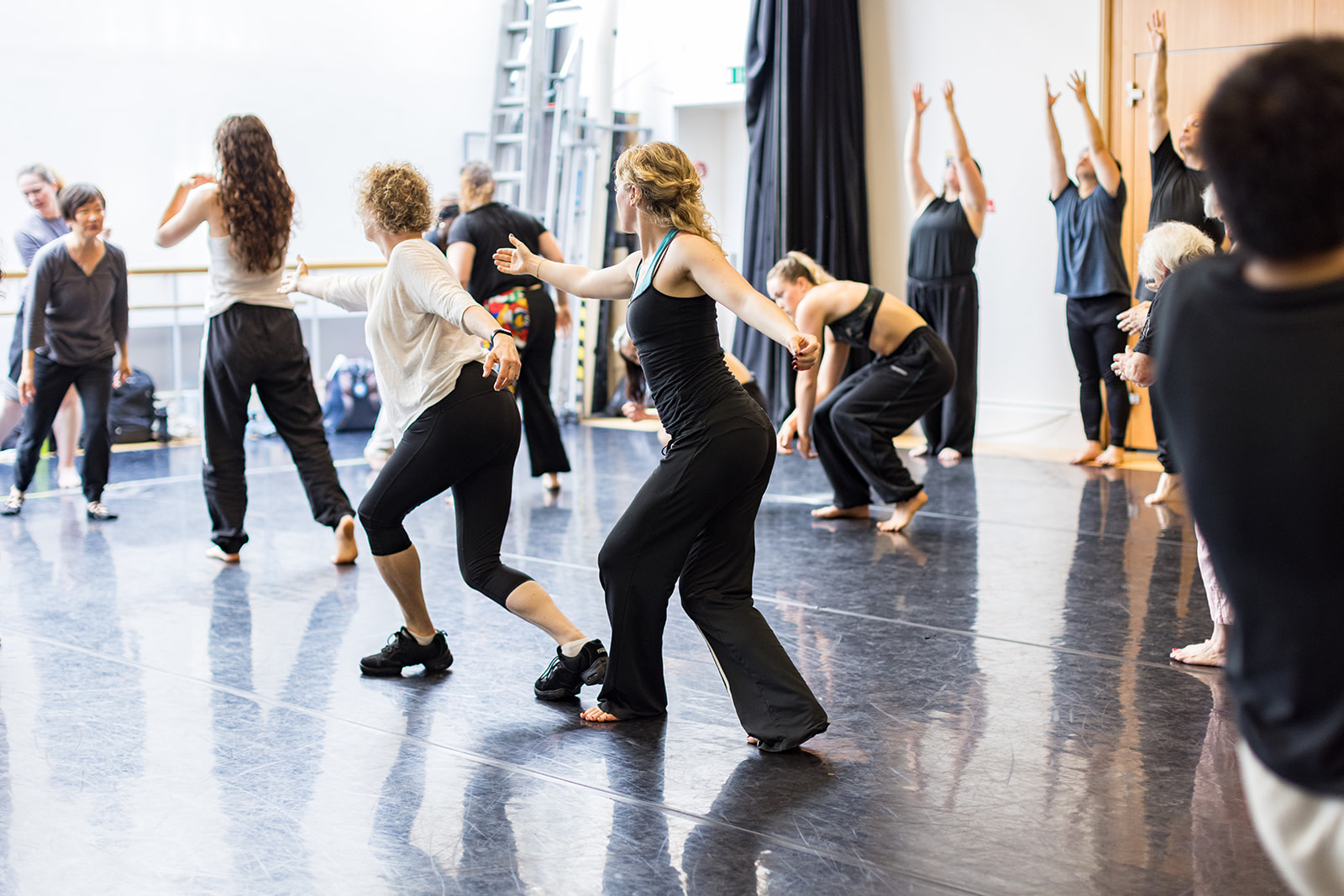
There’s something powerful about watching movement come to life. It isn’t only the final performance. It’s the thinking, the collaboration and the intention behind every gesture.
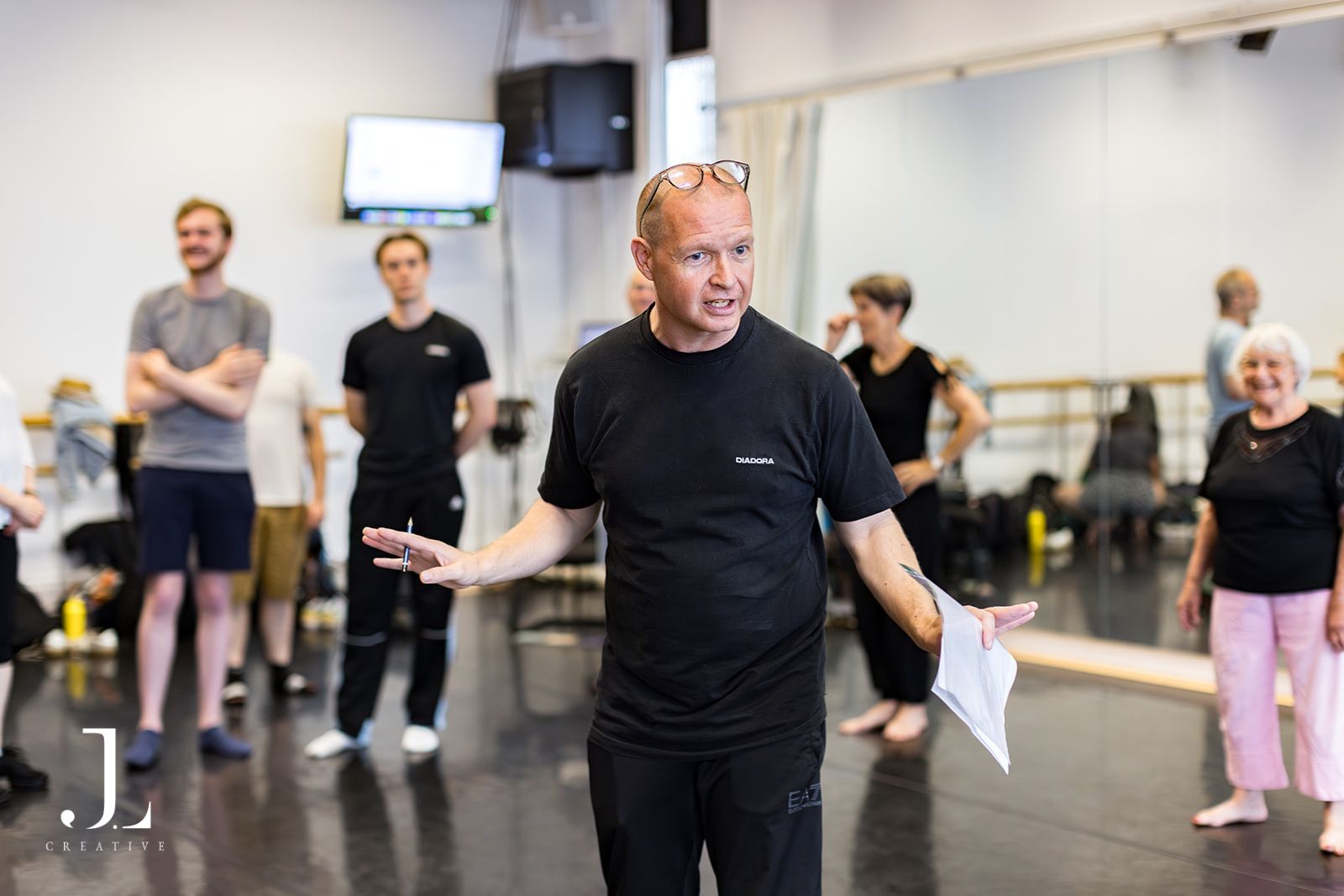
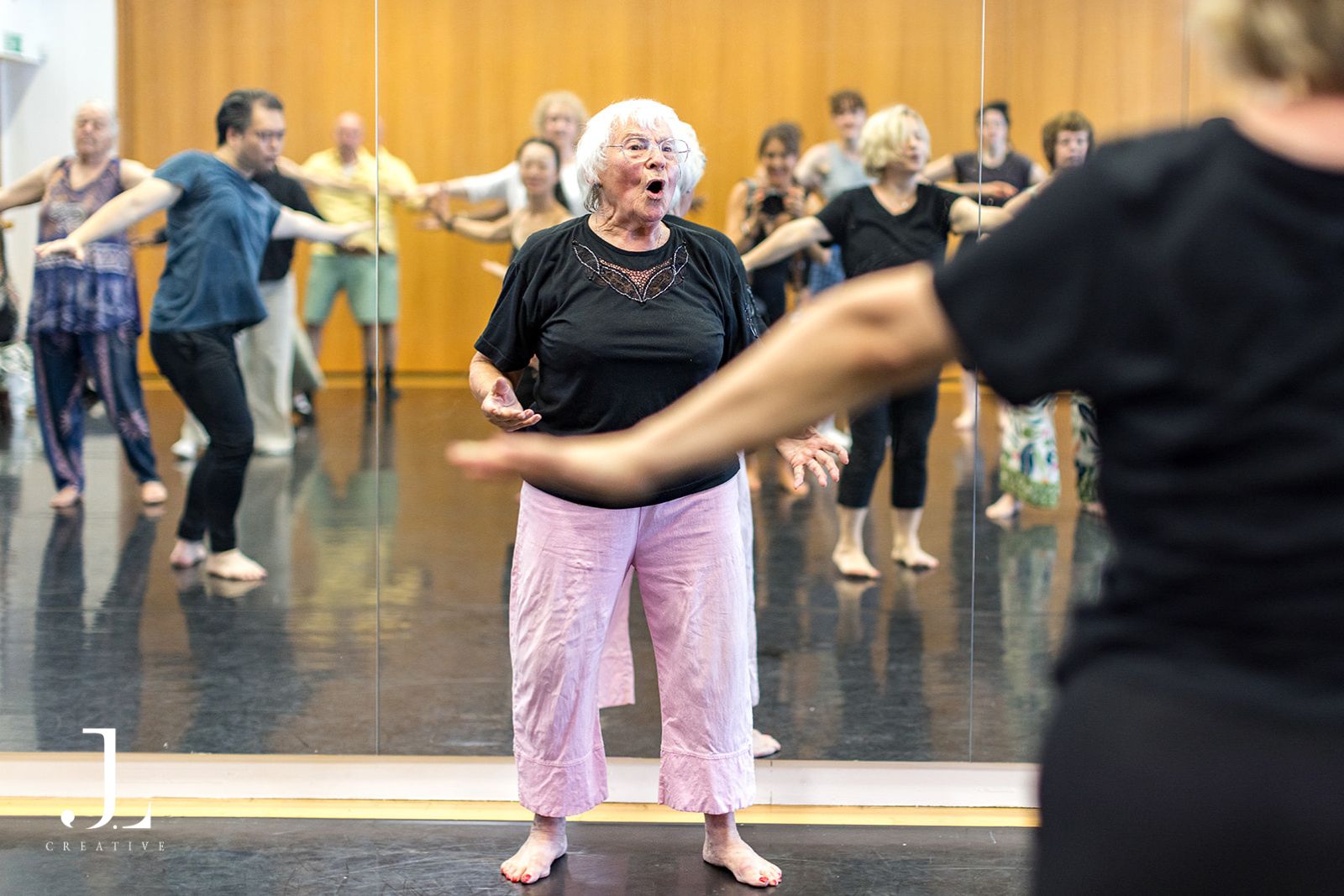
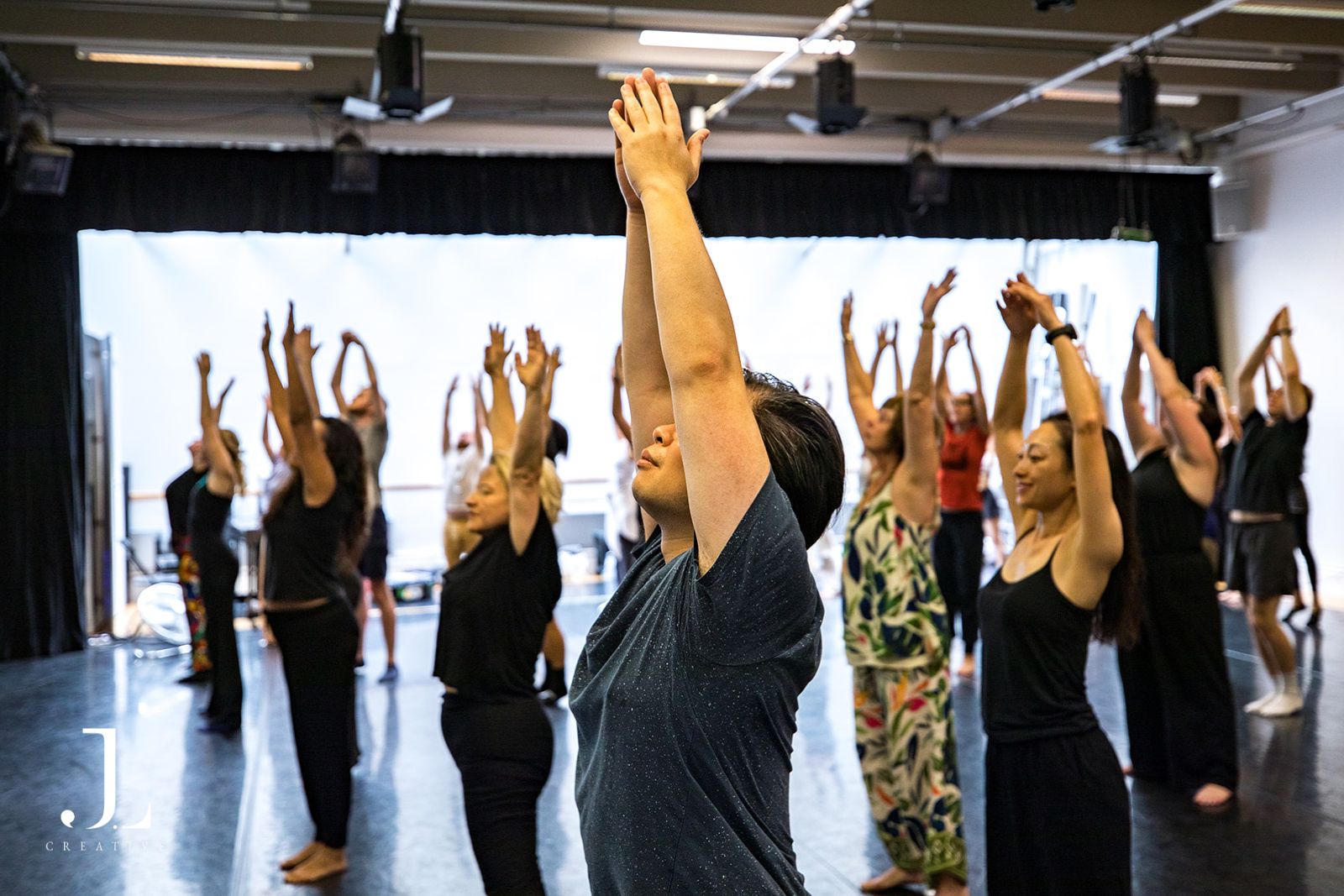
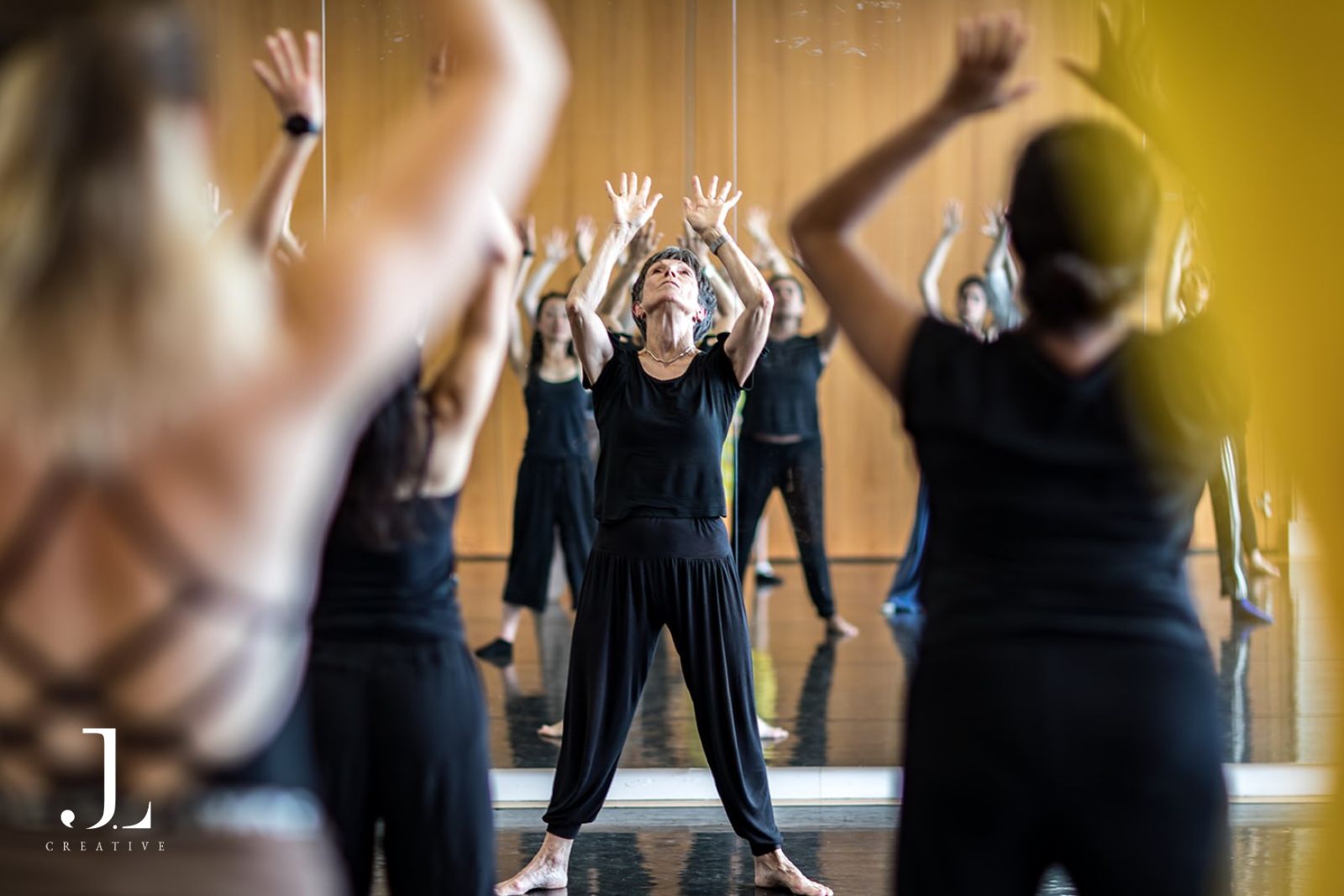
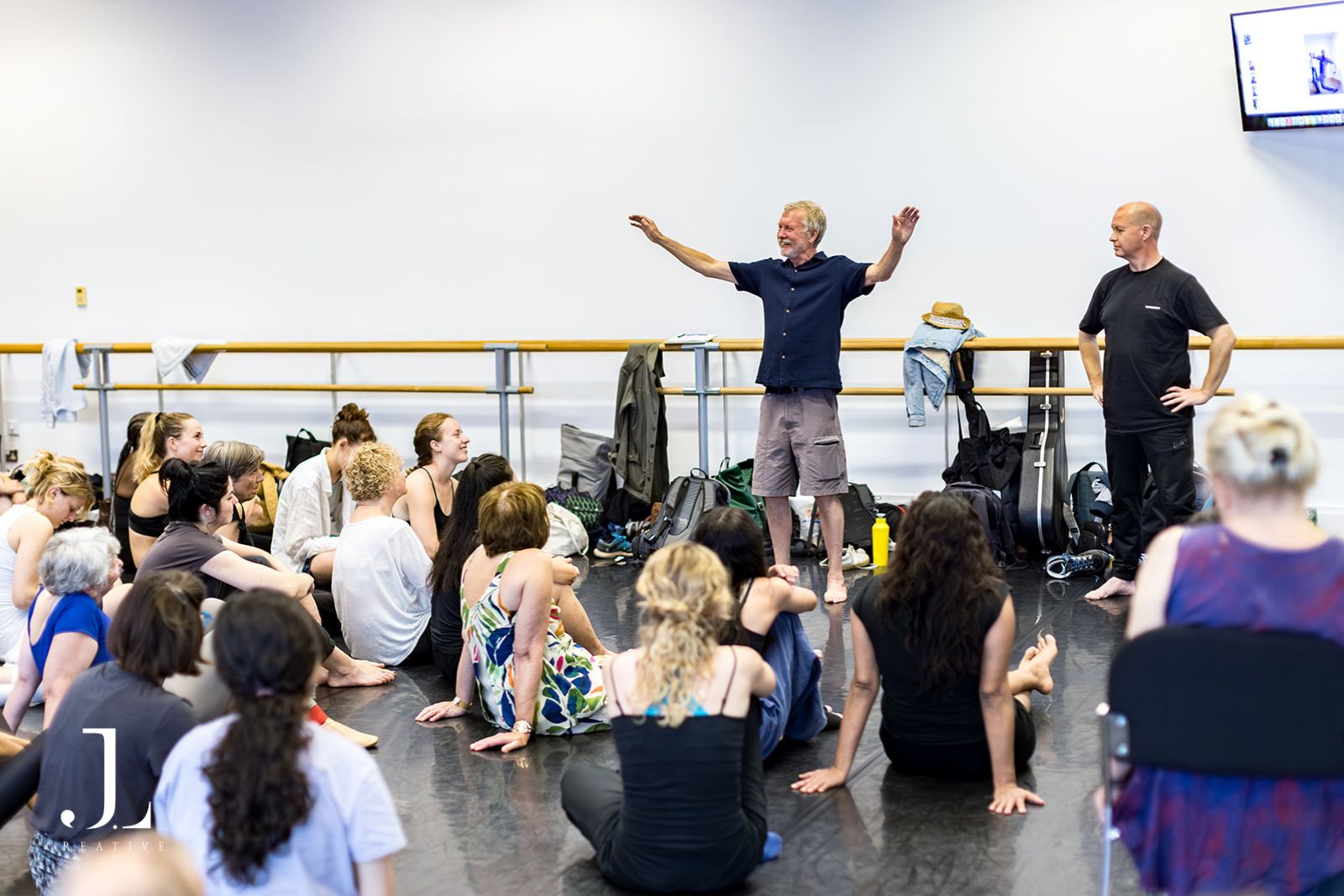
Recently, I photographed “A Kaleidoscope of Dance & Drama”, a one-day workshop at The Place in London, one of the capital’s leading centres for contemporary dance and performing arts. Dancers, actors, filmmakers and theatre practitioners came together to explore movement, expression and storytelling through the legacy of Geraldine Stephenson and Rudolf Laban.
From a photography perspective, it was magic.
Why The Place Is a Great Venue for Performing Arts Photography in London
The Place sits on Euston Road, just moments from St Pancras International. Historic architecture meets modern city life out there, and that mix gives any creative project a distinct energy. Step outside and you get:
- the hum of the city
- red London buses passing by
- people from all walks of life
- classic and contemporary buildings side by side
On this summer’s day, that energy felt especially alive. During breaks, participants stepped into the sunshine for some fresh air along Euston Road before heading back to the studios.
The Place is widely recognised as one of the UK’s leading hubs for contemporary dance. Its light-filled studios, innovative performance spaces and long reputation draw talent from across the UK and internationally. For a photographer, the clean lines, open spaces and natural light let movement and expression take centre stage.

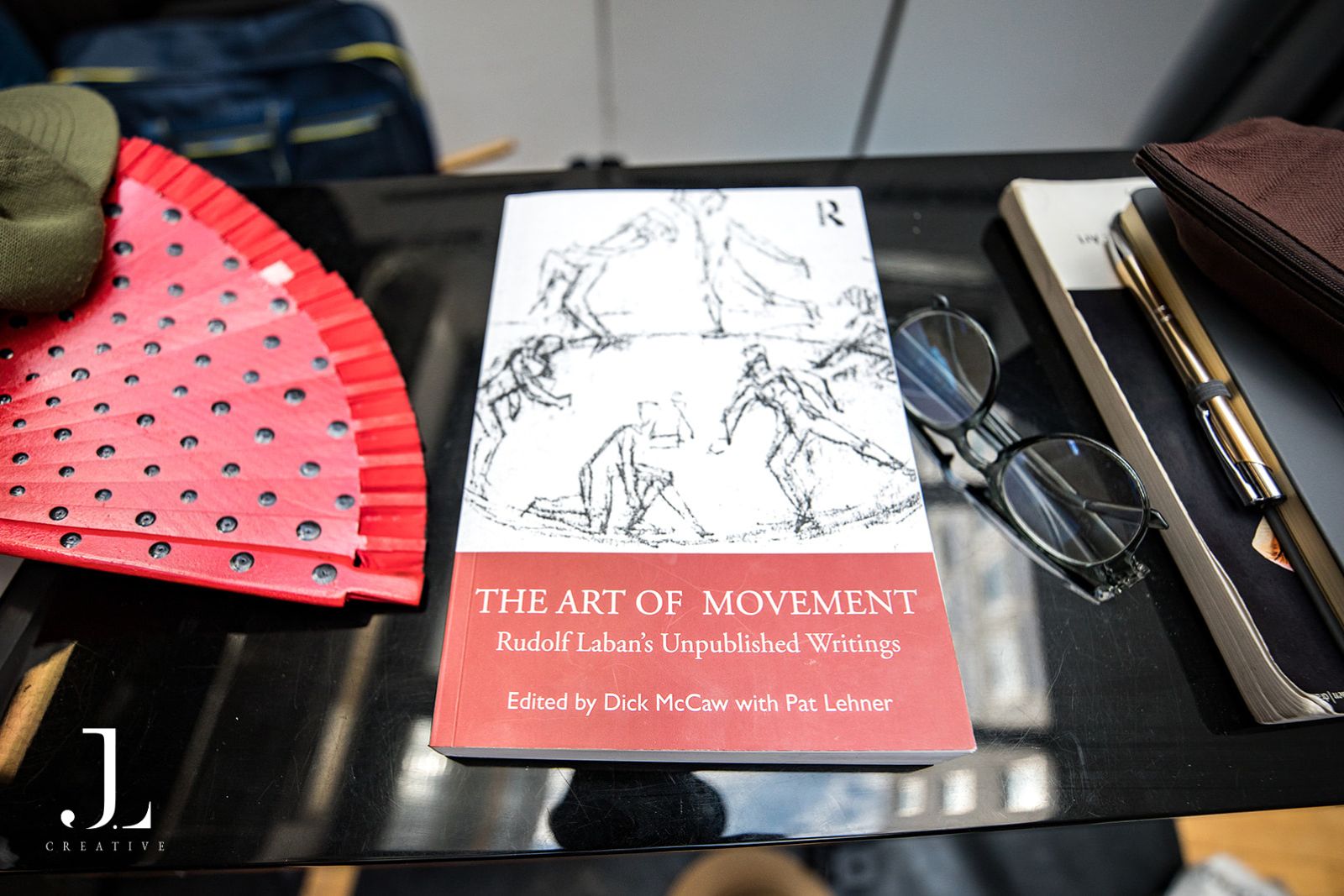
What Happens at a Dance and Drama Workshop
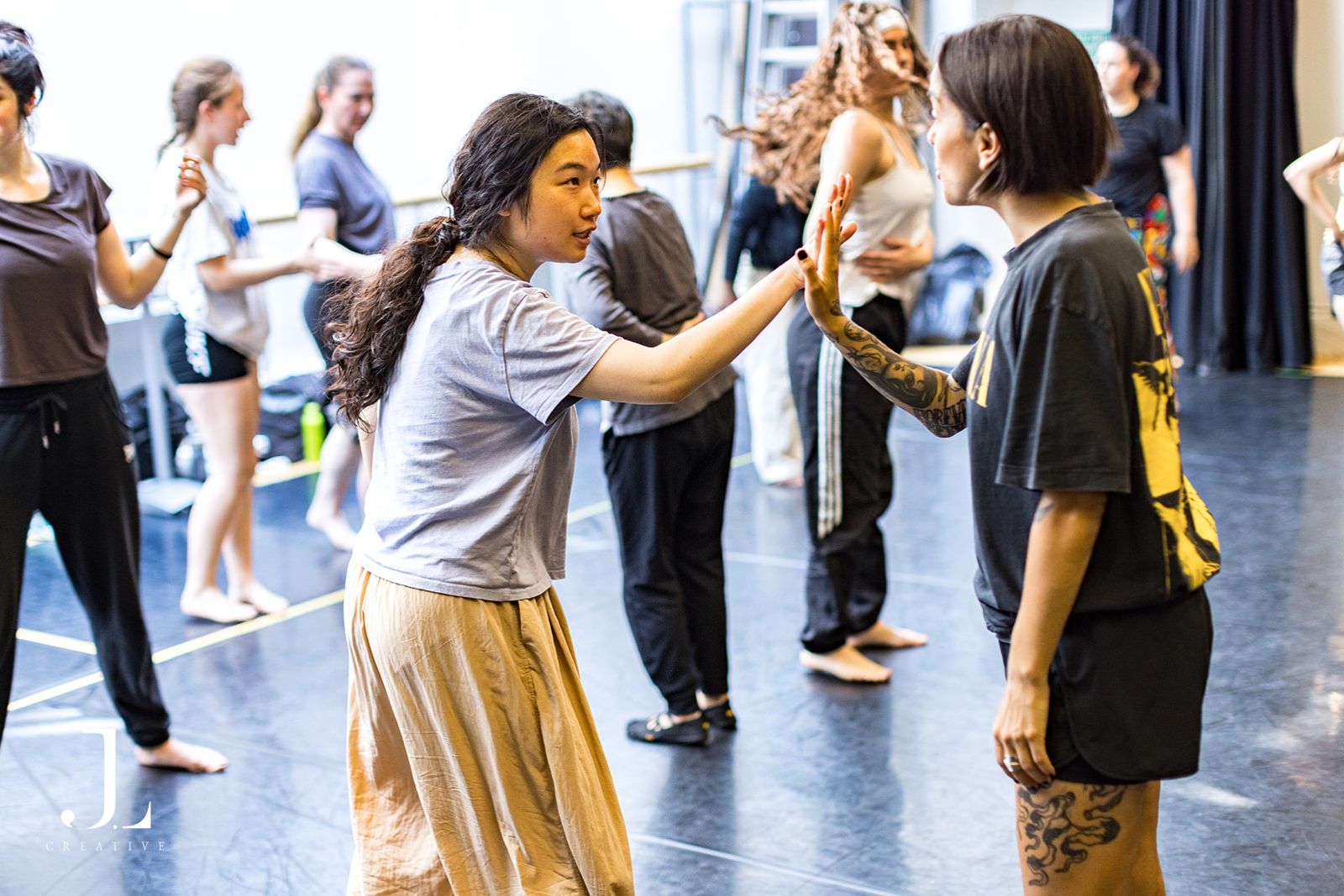
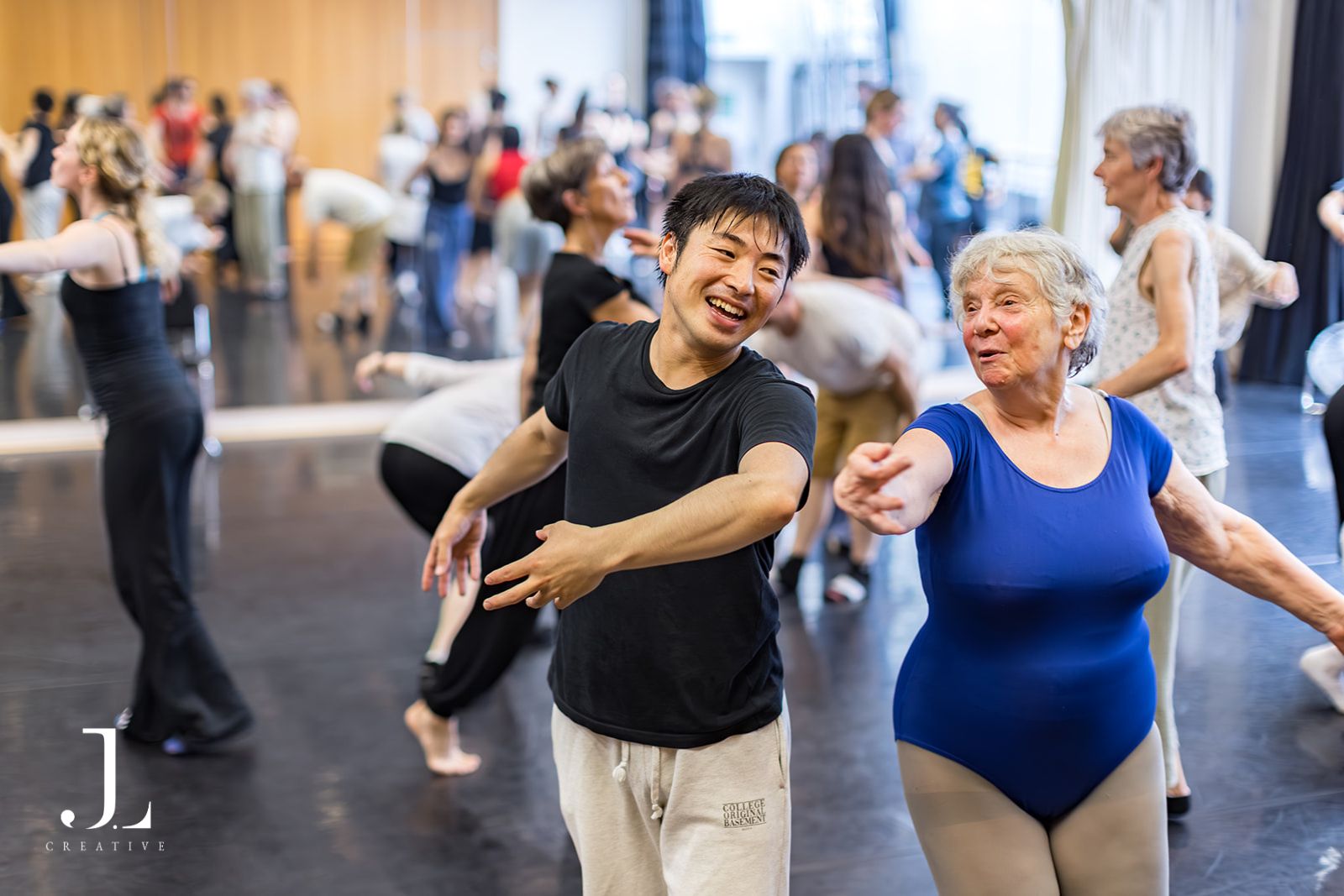
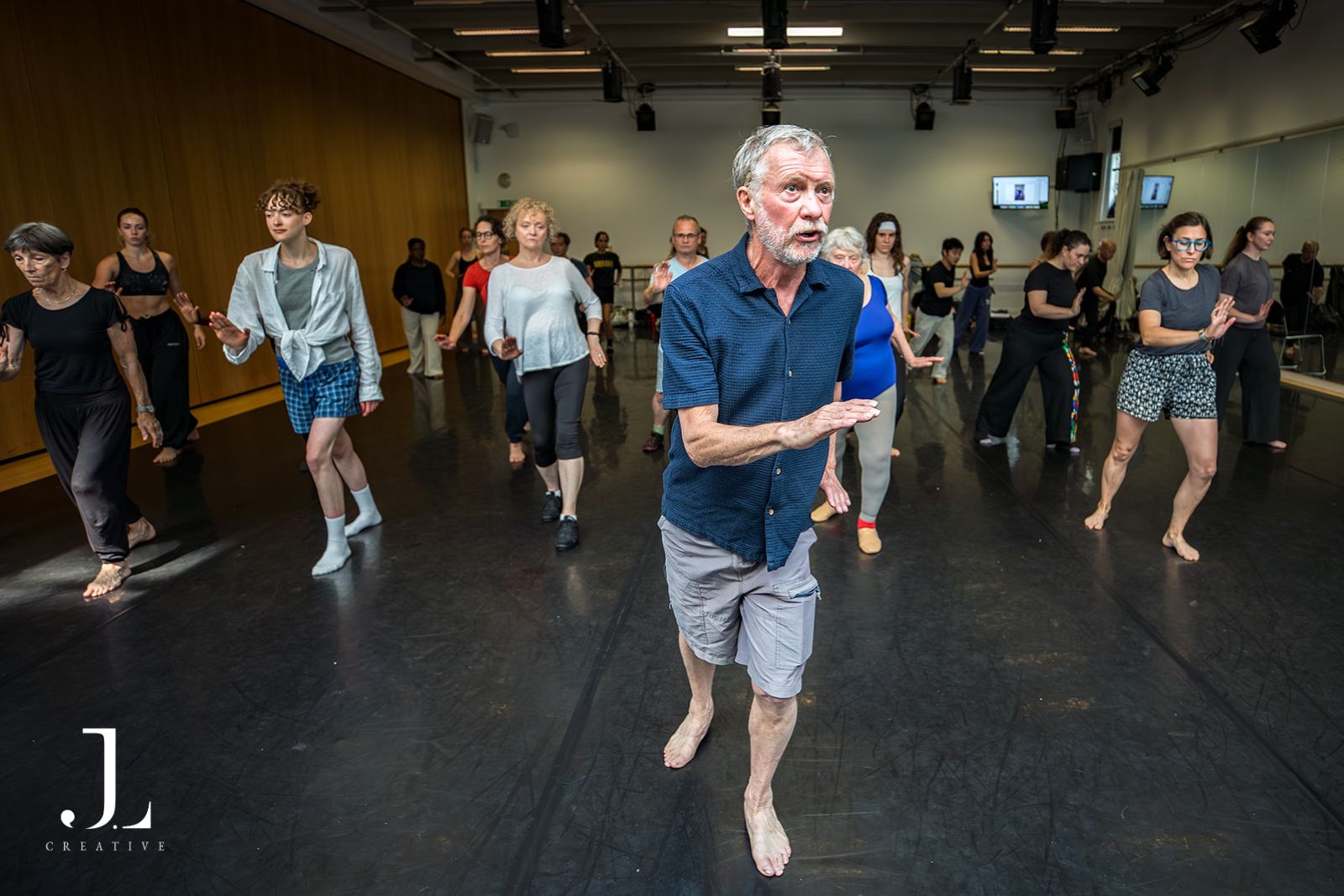
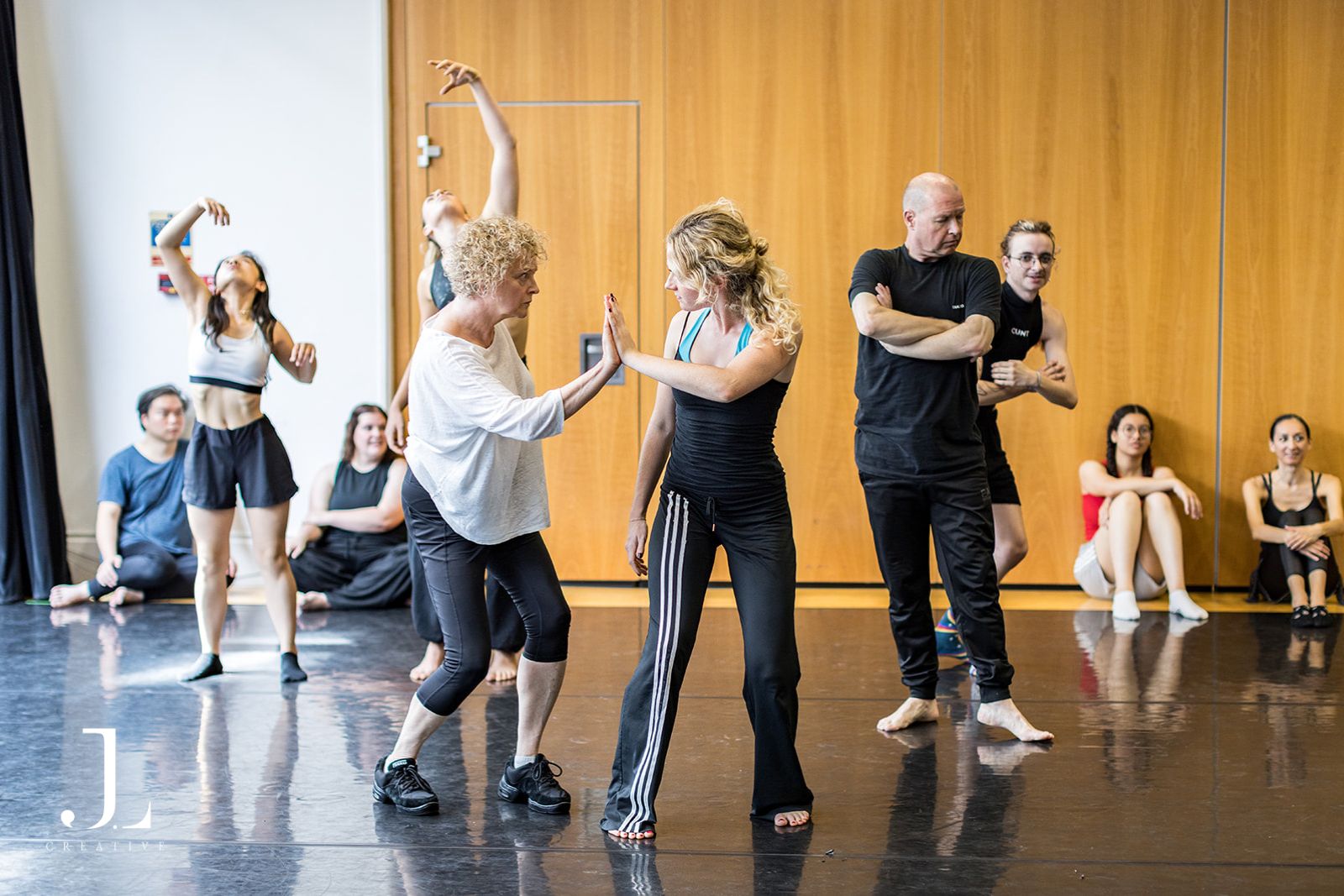
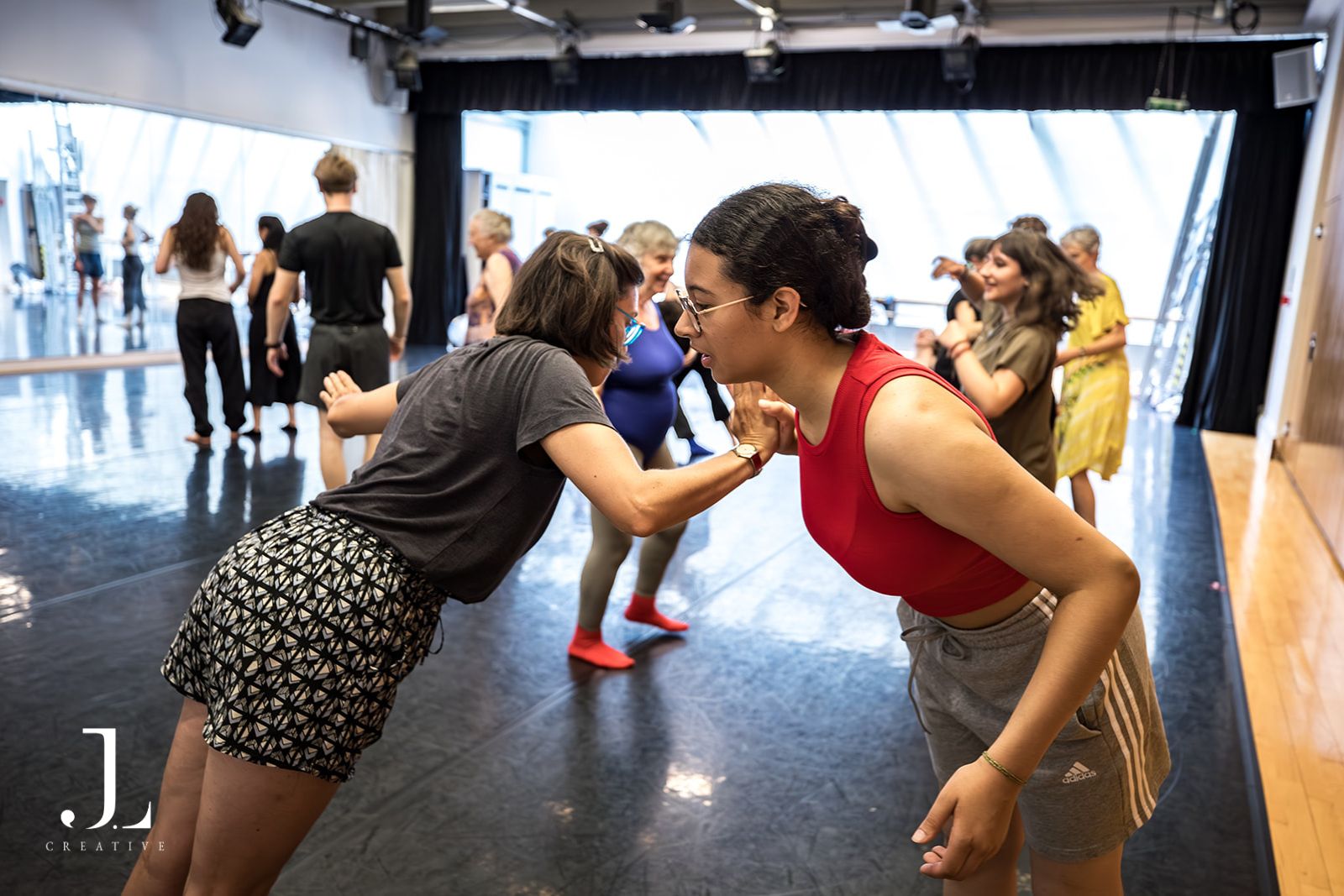
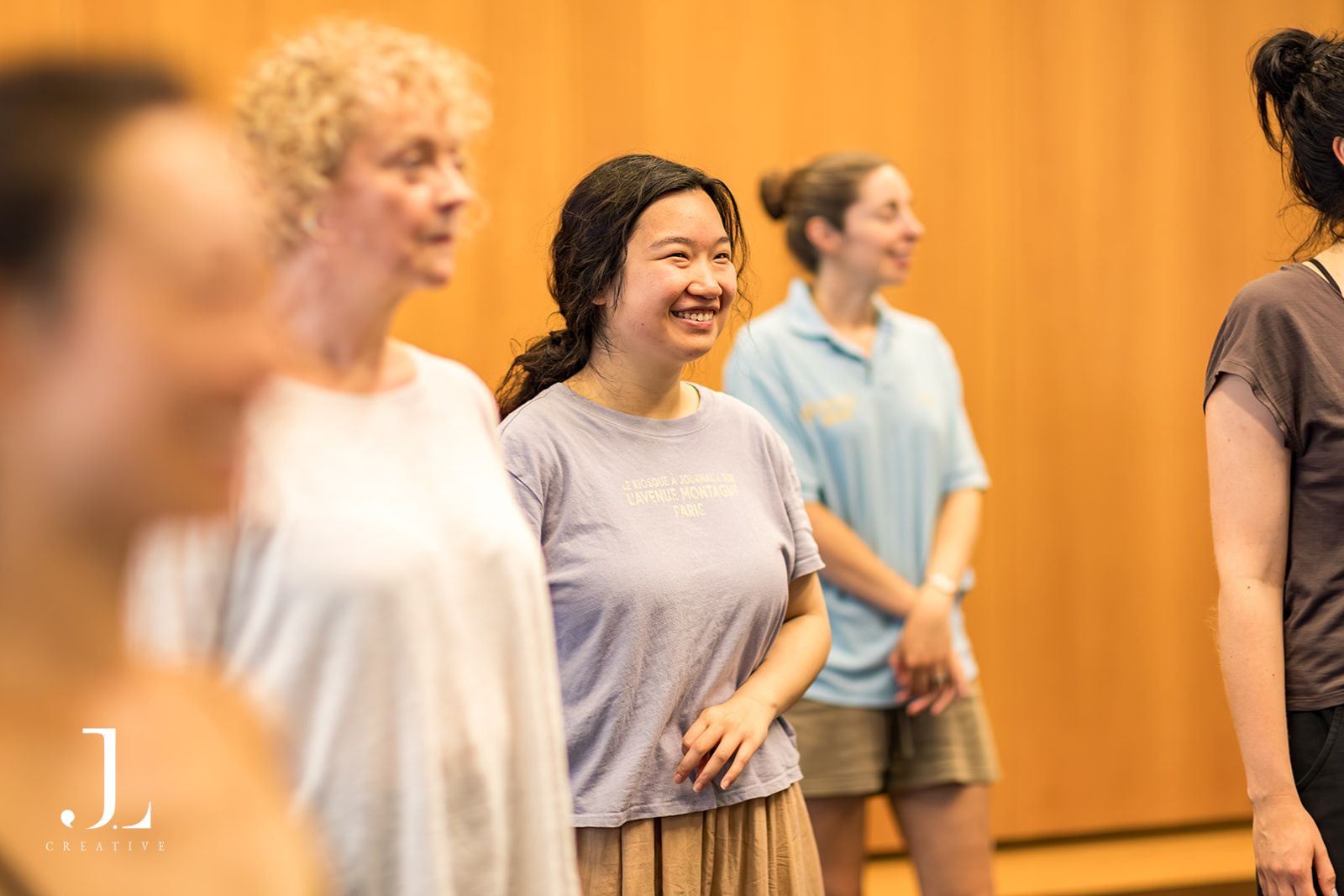
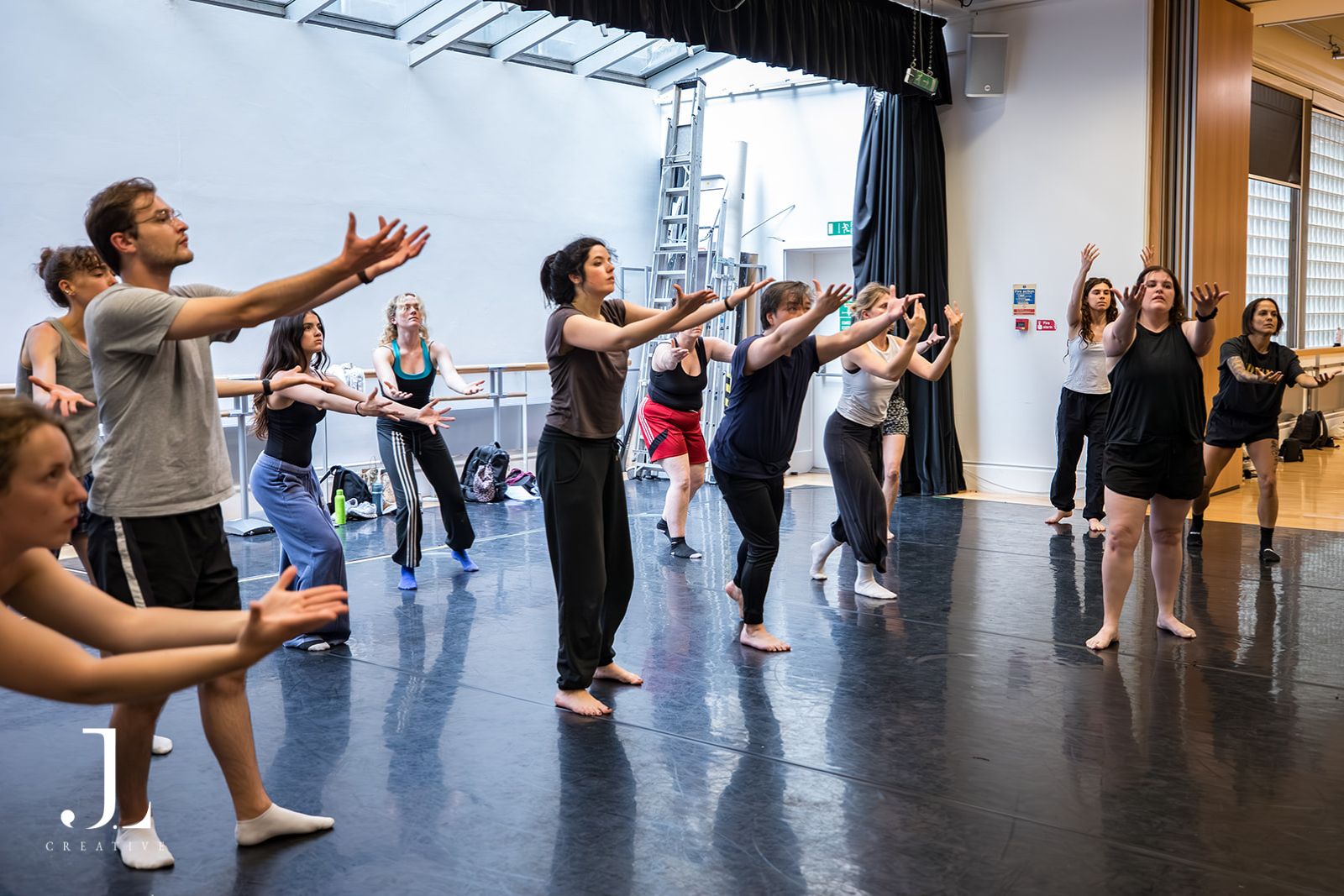
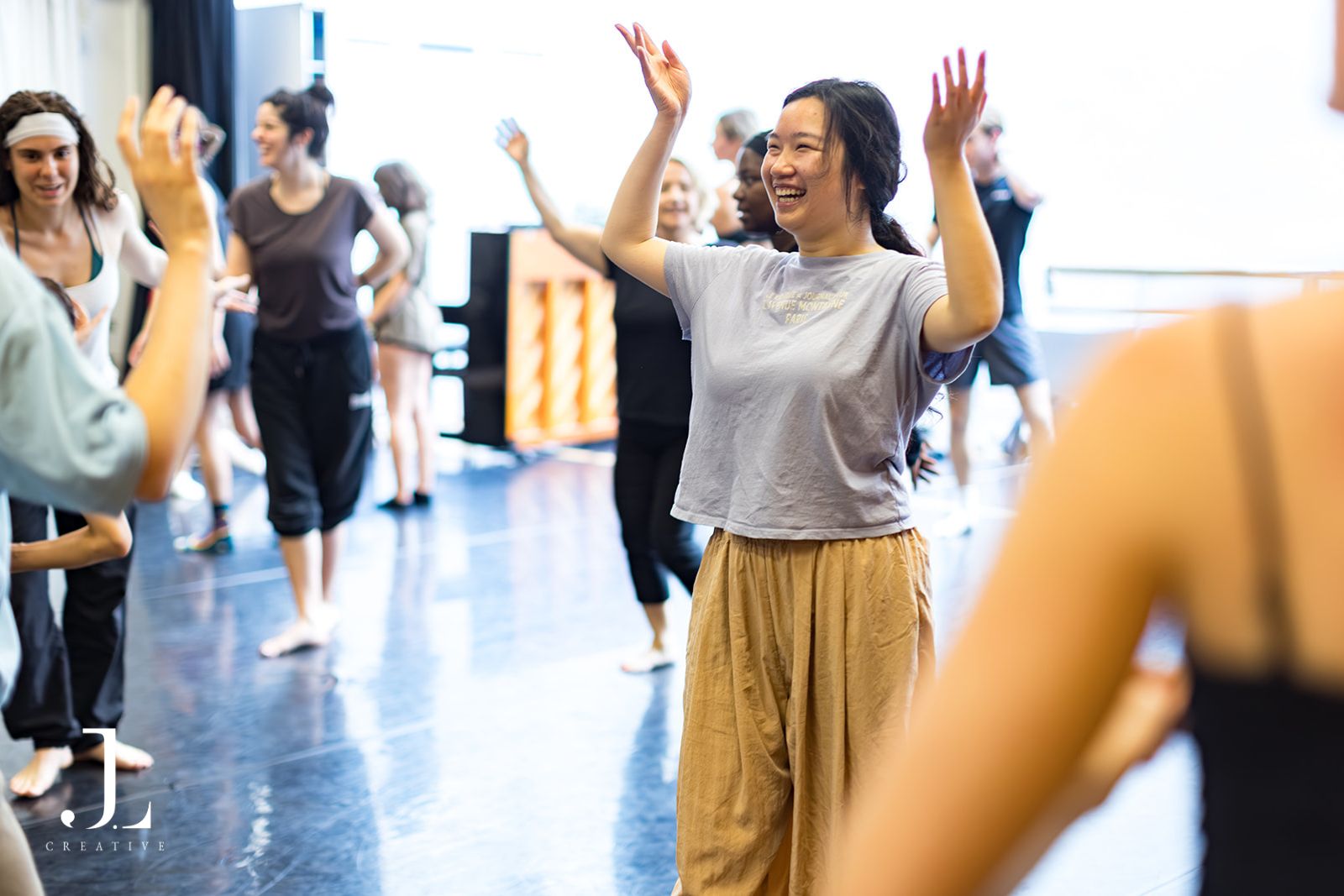
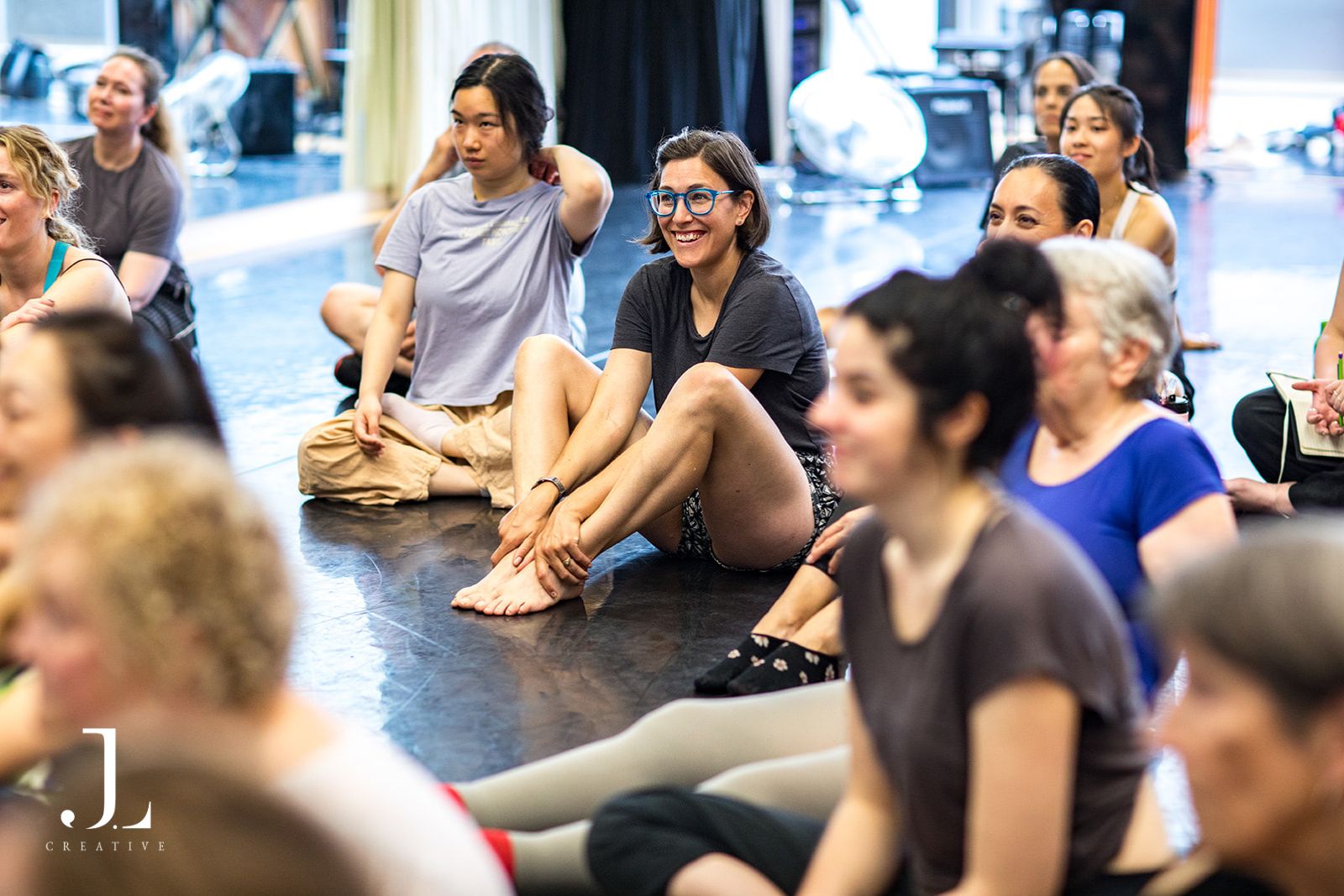
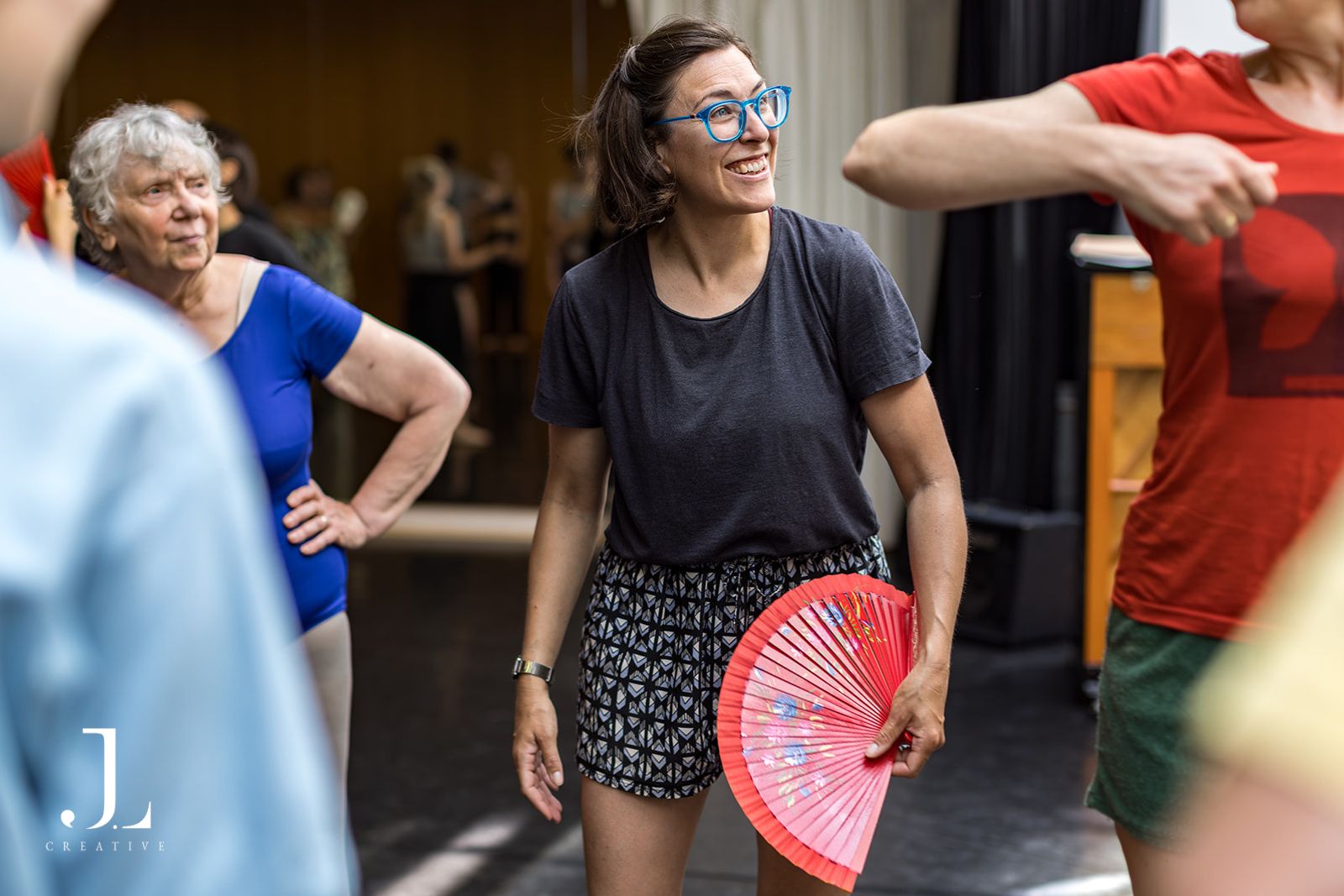
The workshop welcomed around 100 participants who’d come to learn, experiment and grow. Light streamed into the studios, people were fully immersed in their craft, and ideas moved freely between groups.
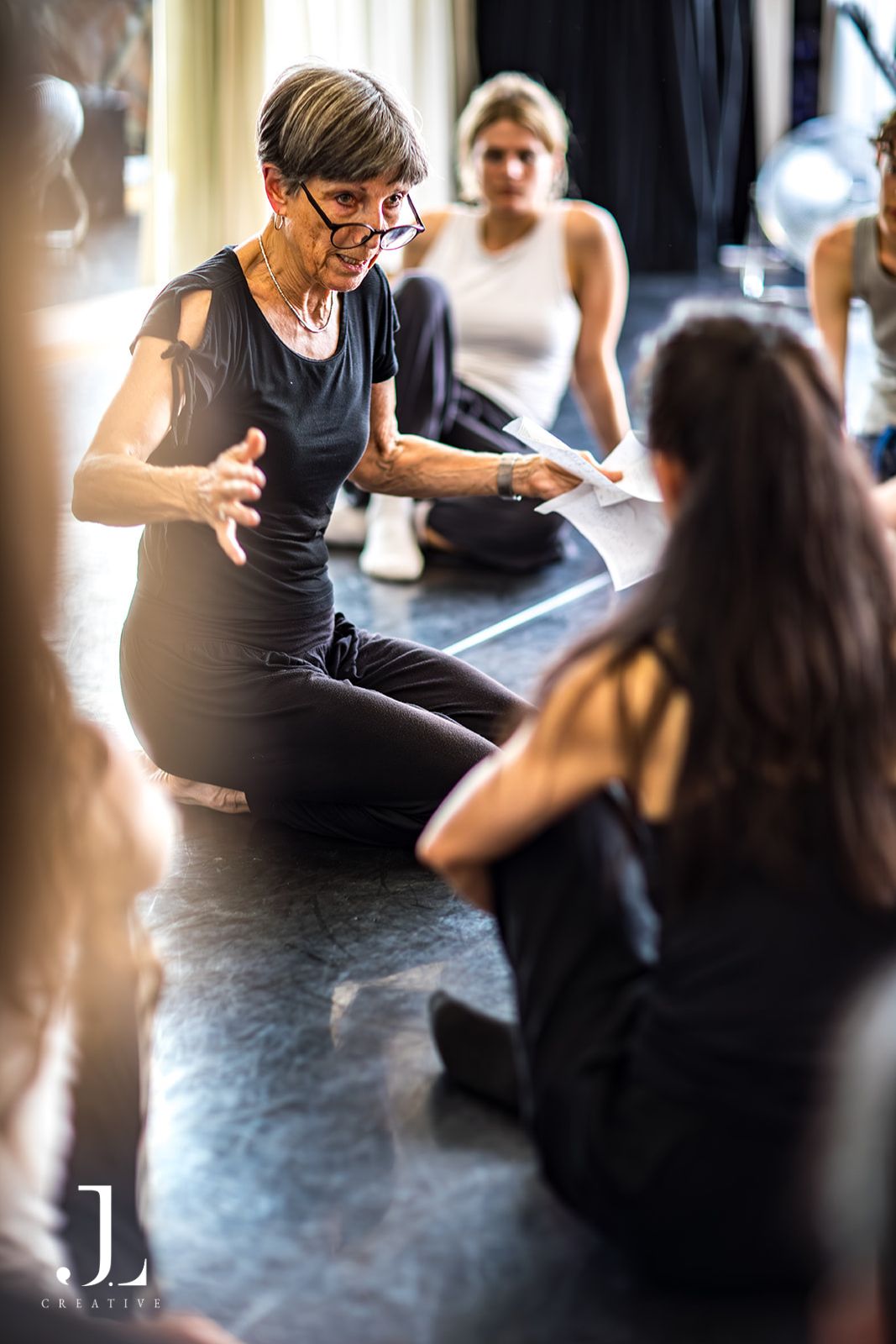
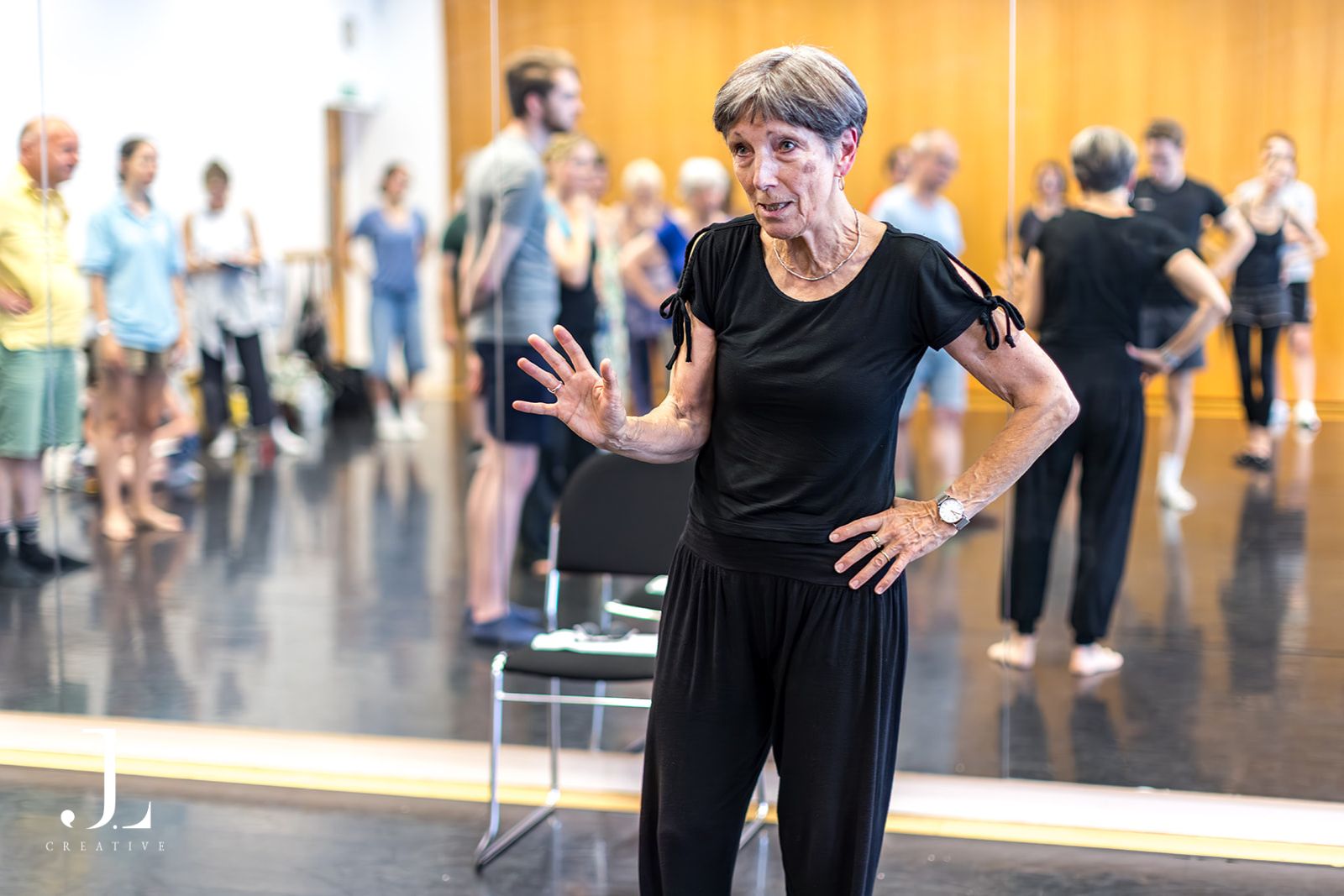
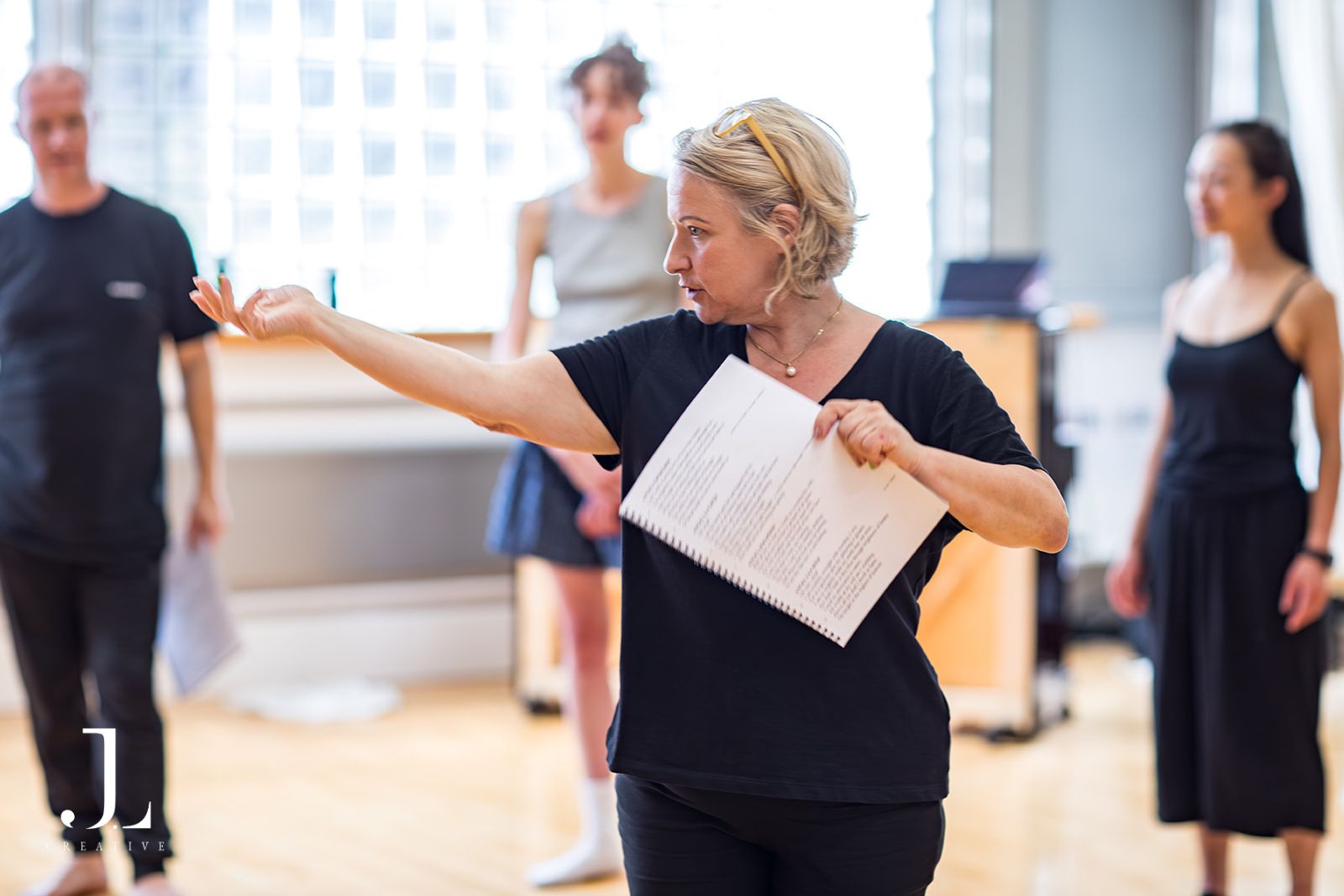
The day wove together dance, drama, movement, text and music, led by expert tutors with deep ties to Geraldine Stevenson’s work.
What Happens Before the Performance
What struck me most wasn’t the movement itself. It was the process behind it.
I’m usually brought in to capture finished work, the polished performance and the final outcome. This day was different. It was about experimentation, development and learning, which made it incredibly rich to photograph.
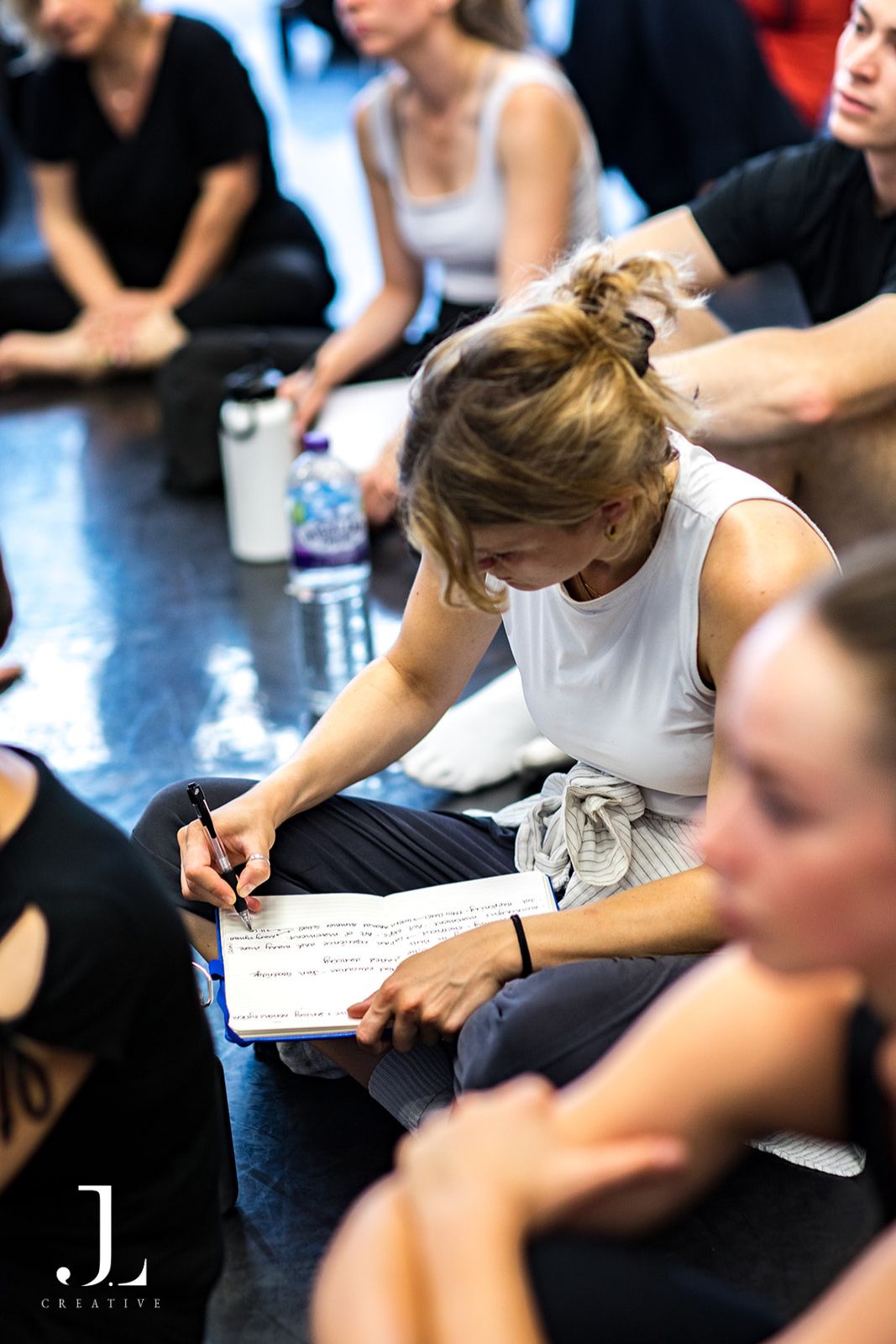
I watched ideas get discussed, tested, refined and turned into movement. Sometimes that took minutes. Sometimes it unfolded slowly over the day.


How Small Movements Carry Meaning
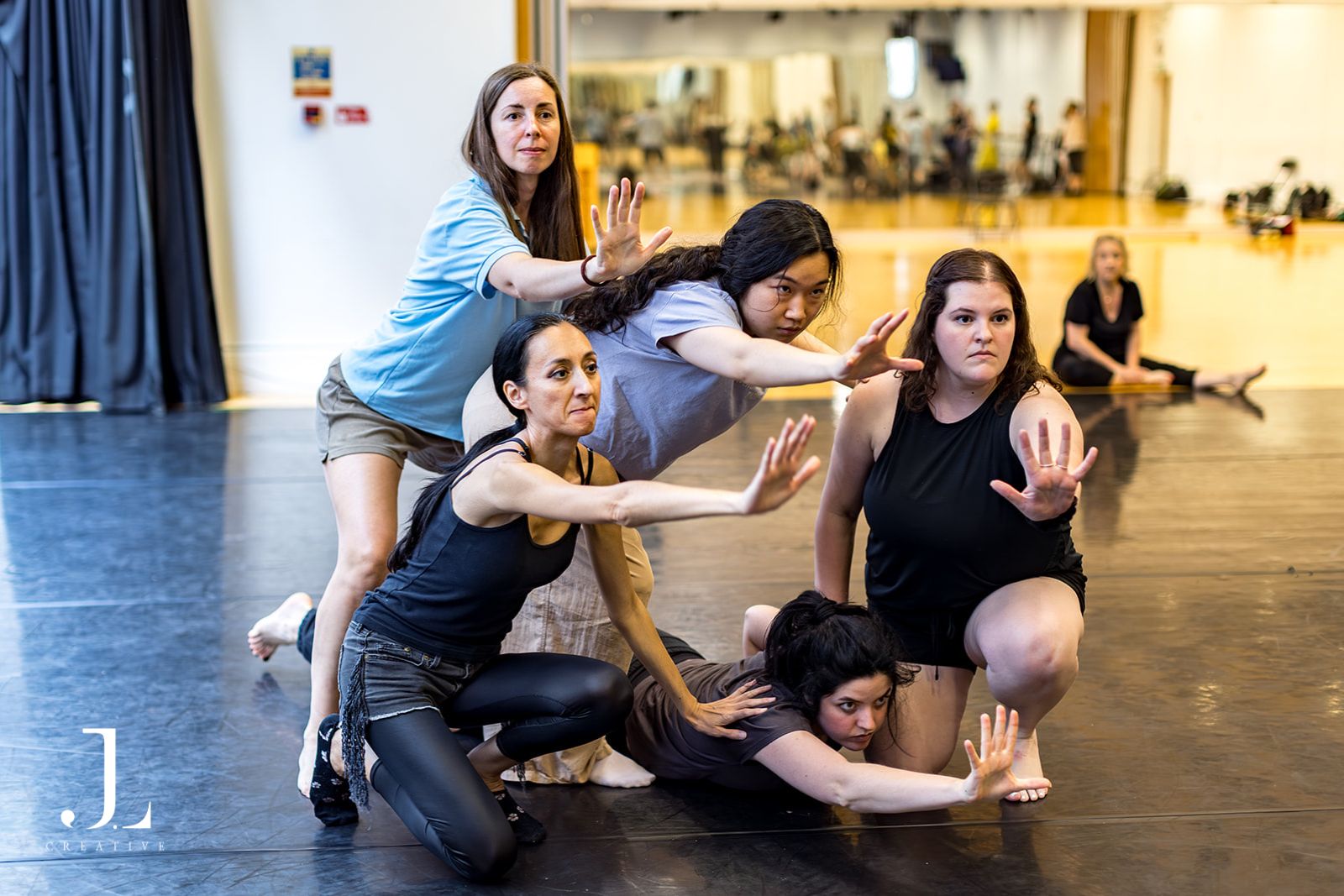
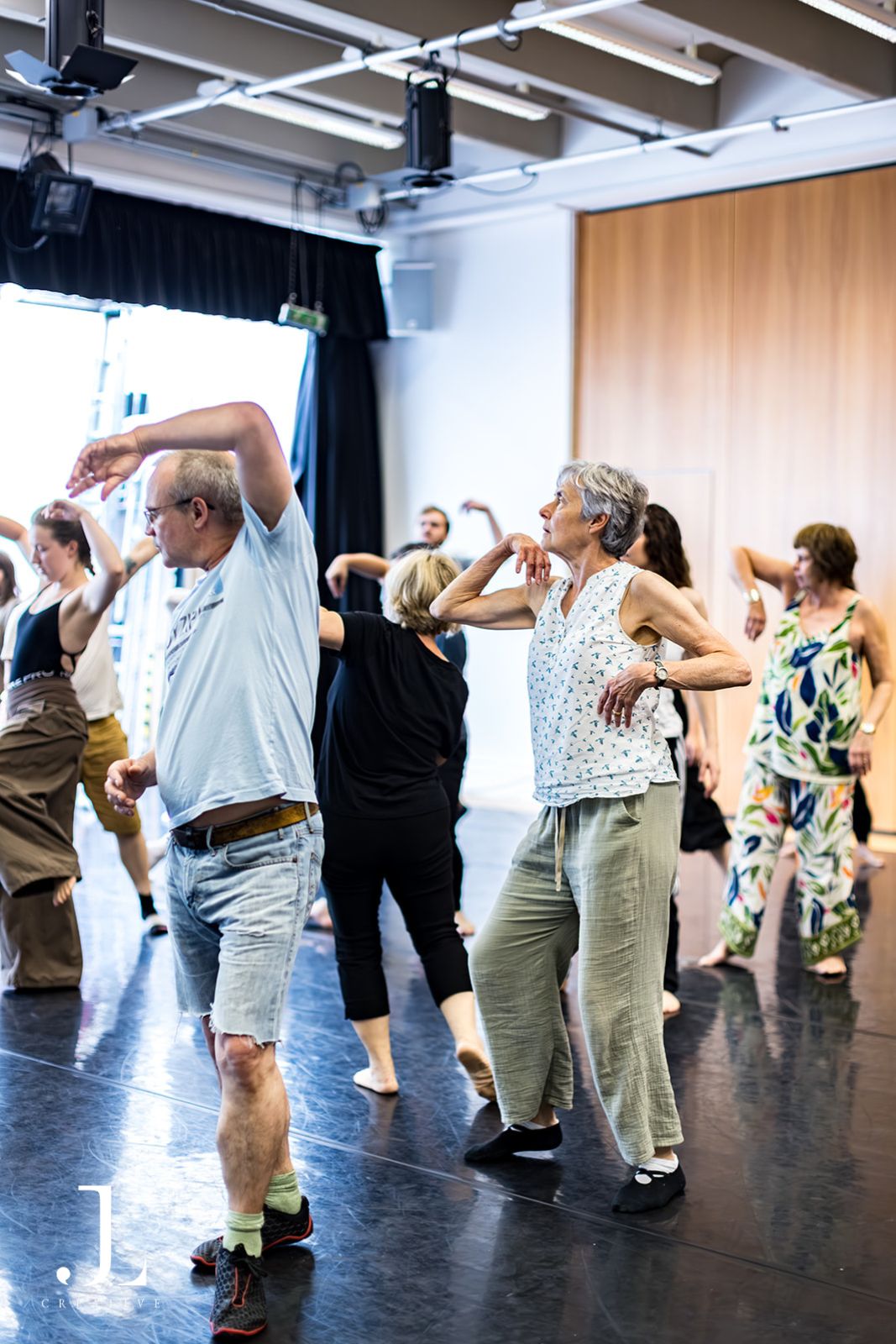
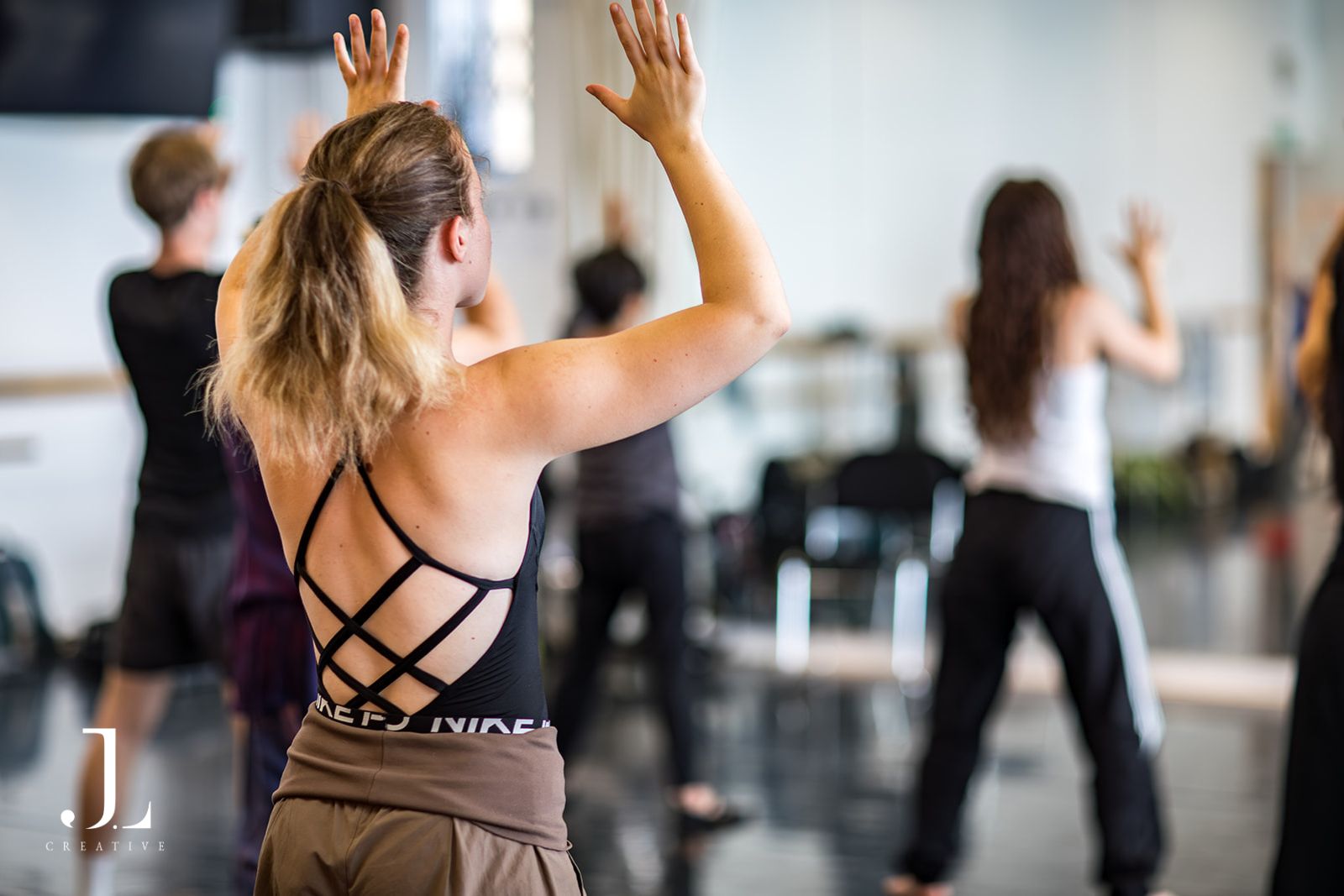
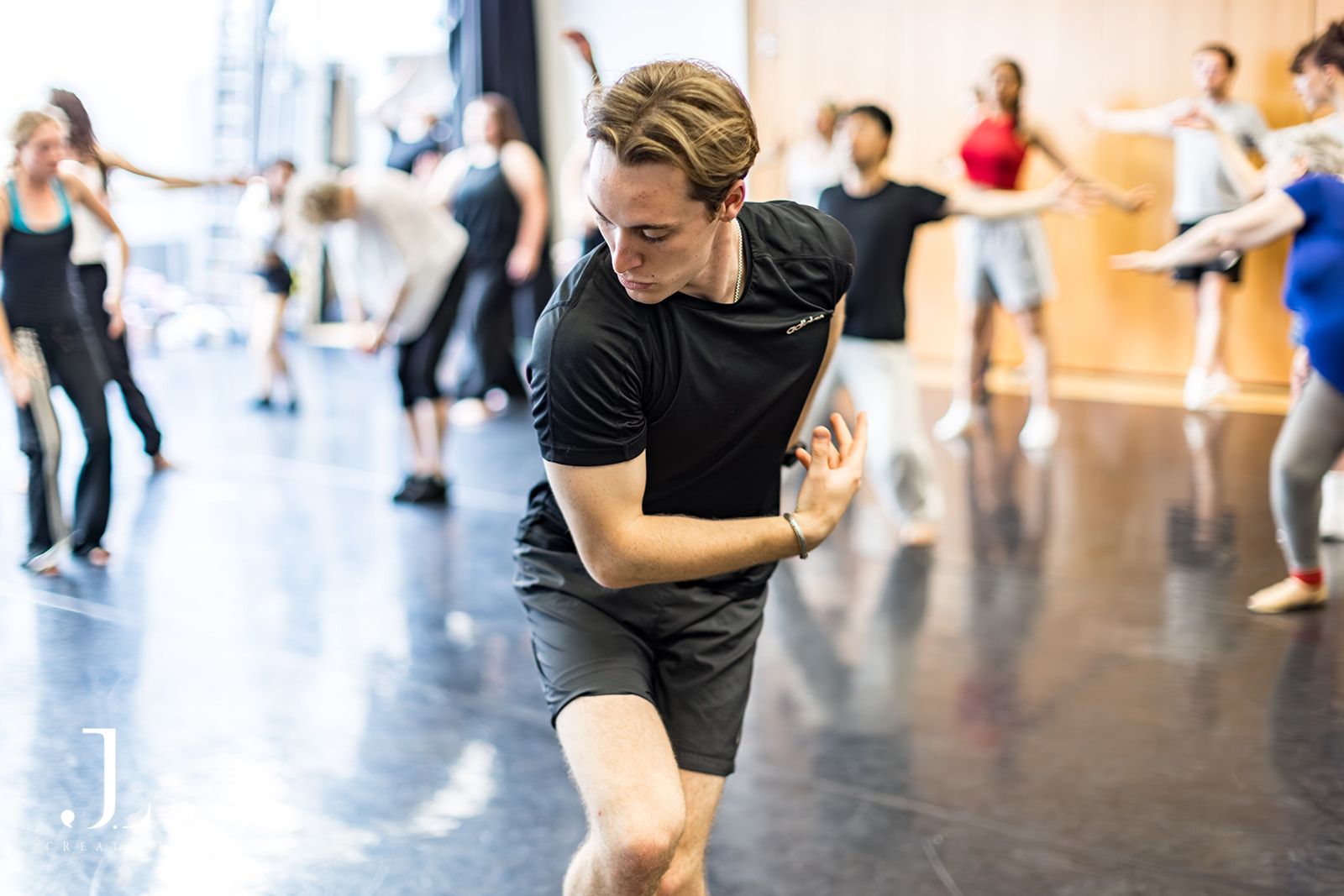
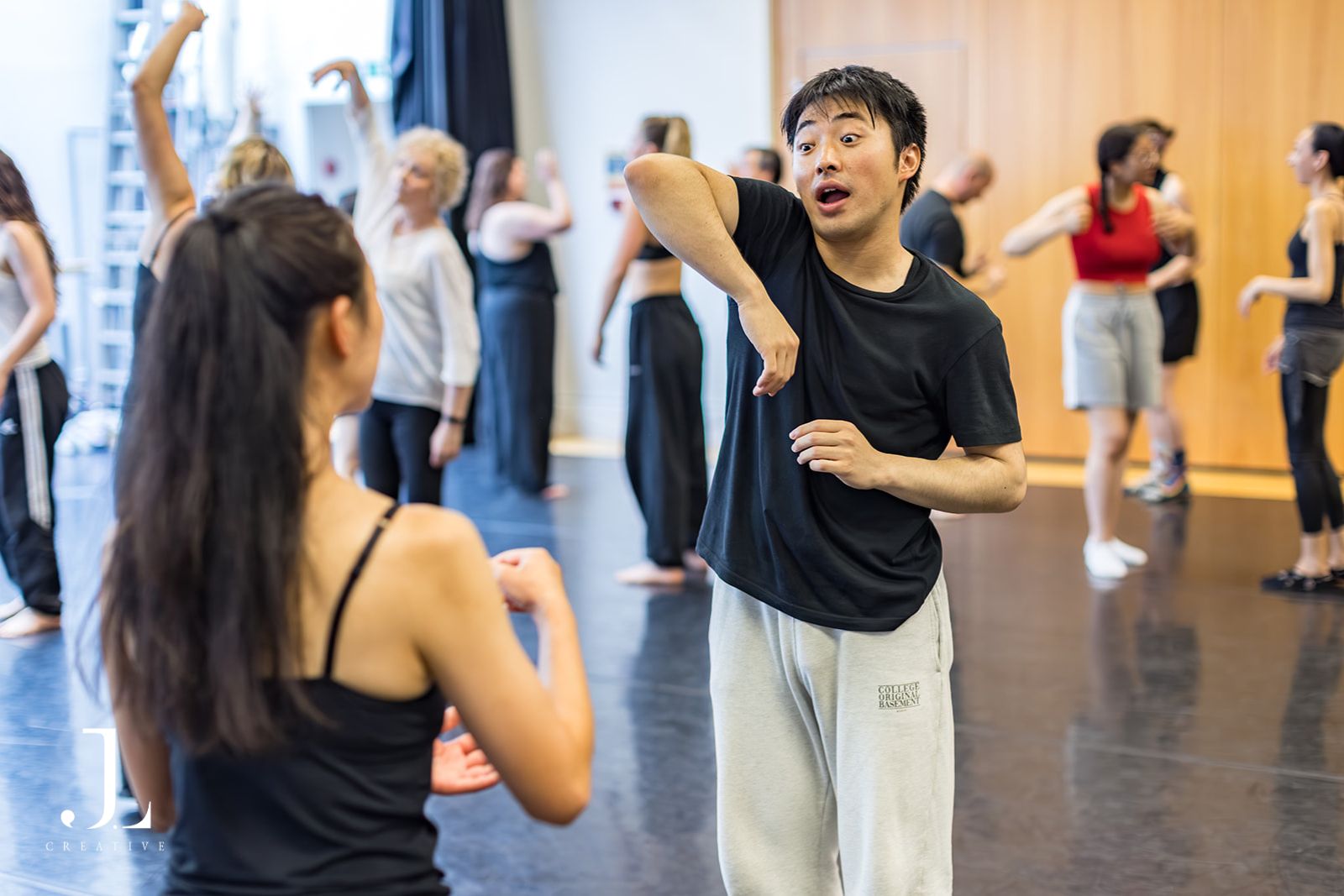
The intention behind even the smallest gestures fascinated me. A turn of the head. A shift in weight. The flick of a hand. Every detail had been considered.
Even as someone outside the performing world, I couldn’t help but feel the depth of what was being created. There was precision, purpose and real emotion in every motion. Capturing that was both a challenge and a joy.
How to Photograph Movement and Expression
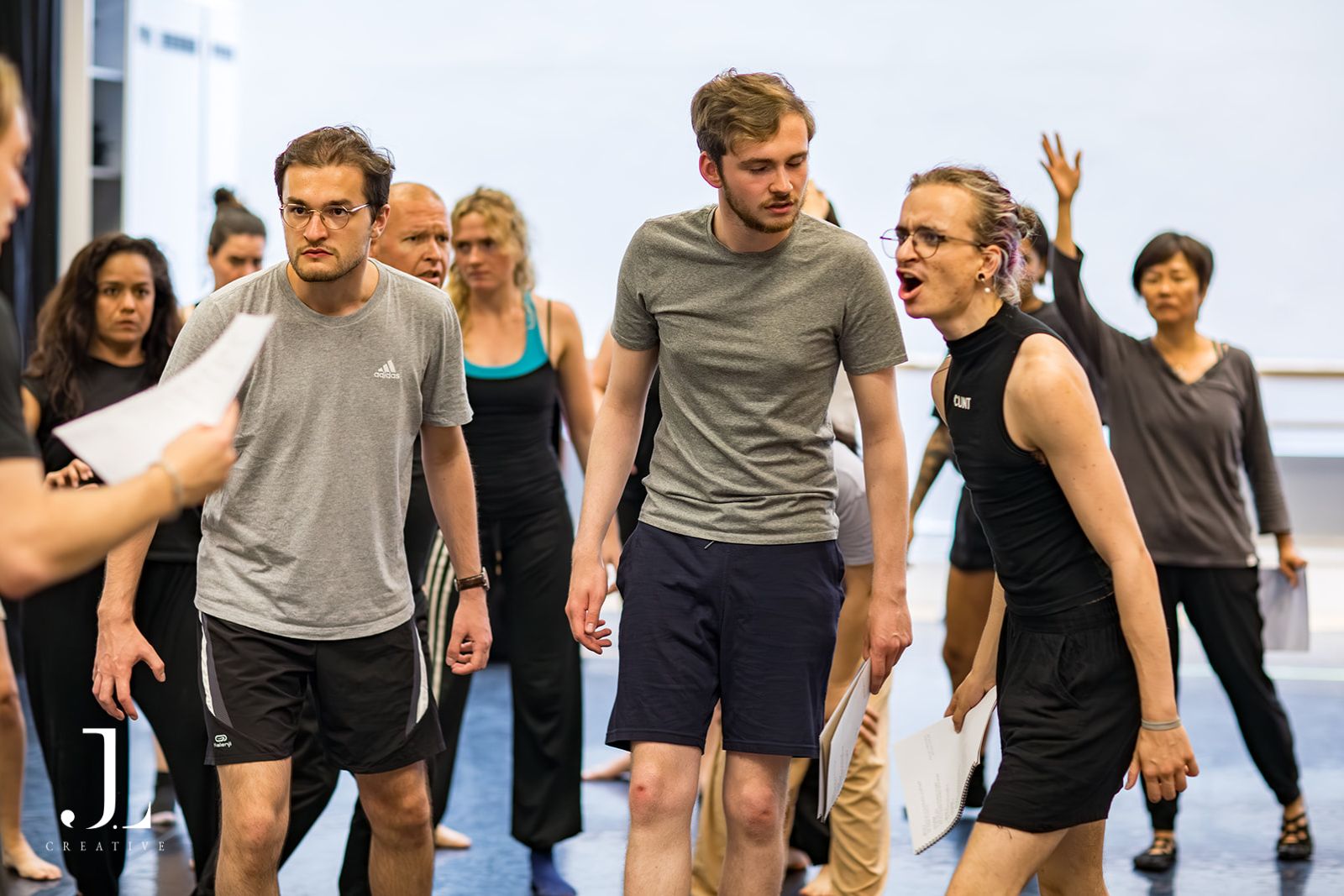
Performing arts photography is its own discipline. It demands a sharp awareness of timing, body language, rhythm, light and anticipation. Moments pass quickly. Expressions shift in an instant, and movement never stops flowing.
My job is to observe, anticipate and respond, capturing what unfolds without interrupting the creative process. At this workshop that meant:
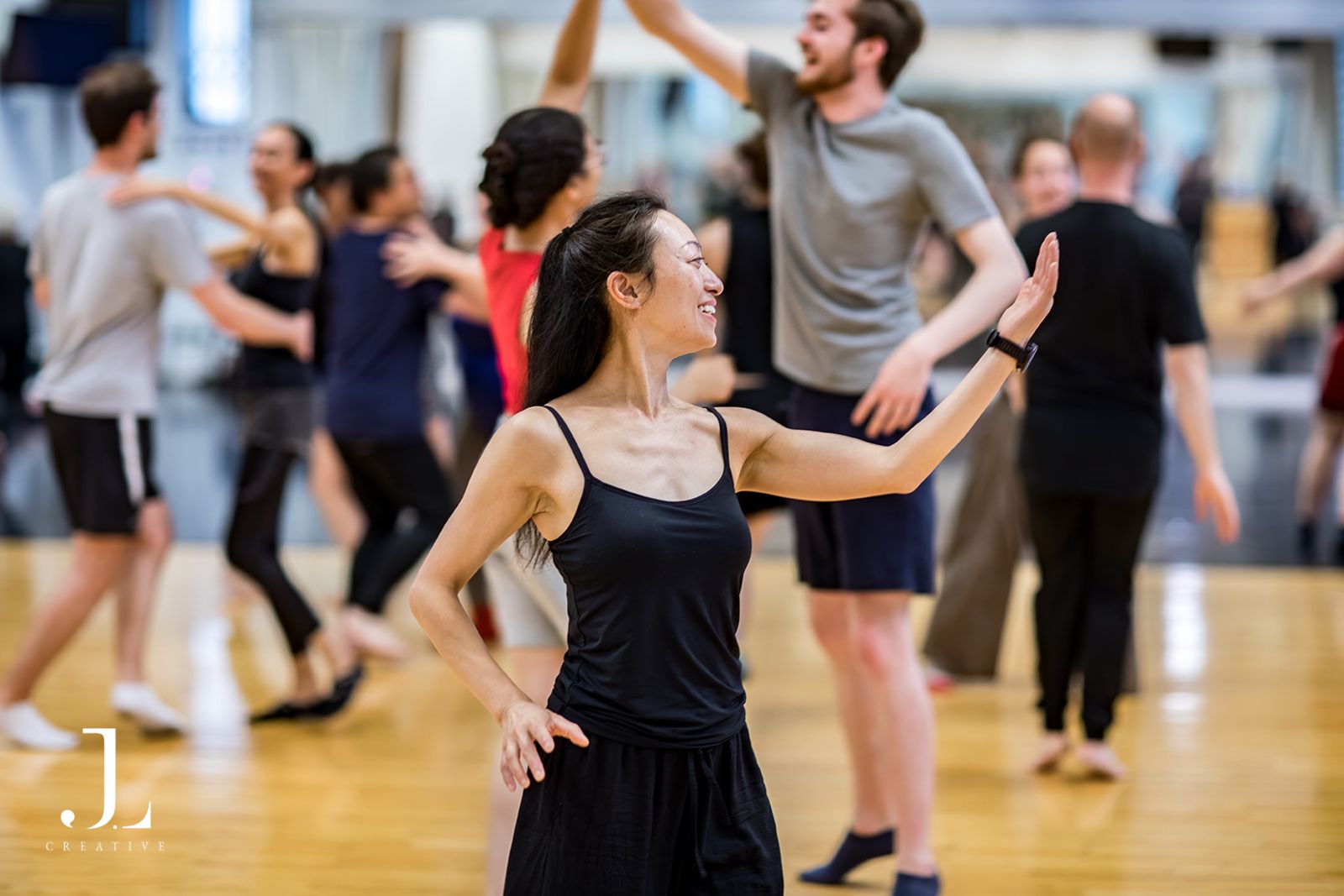
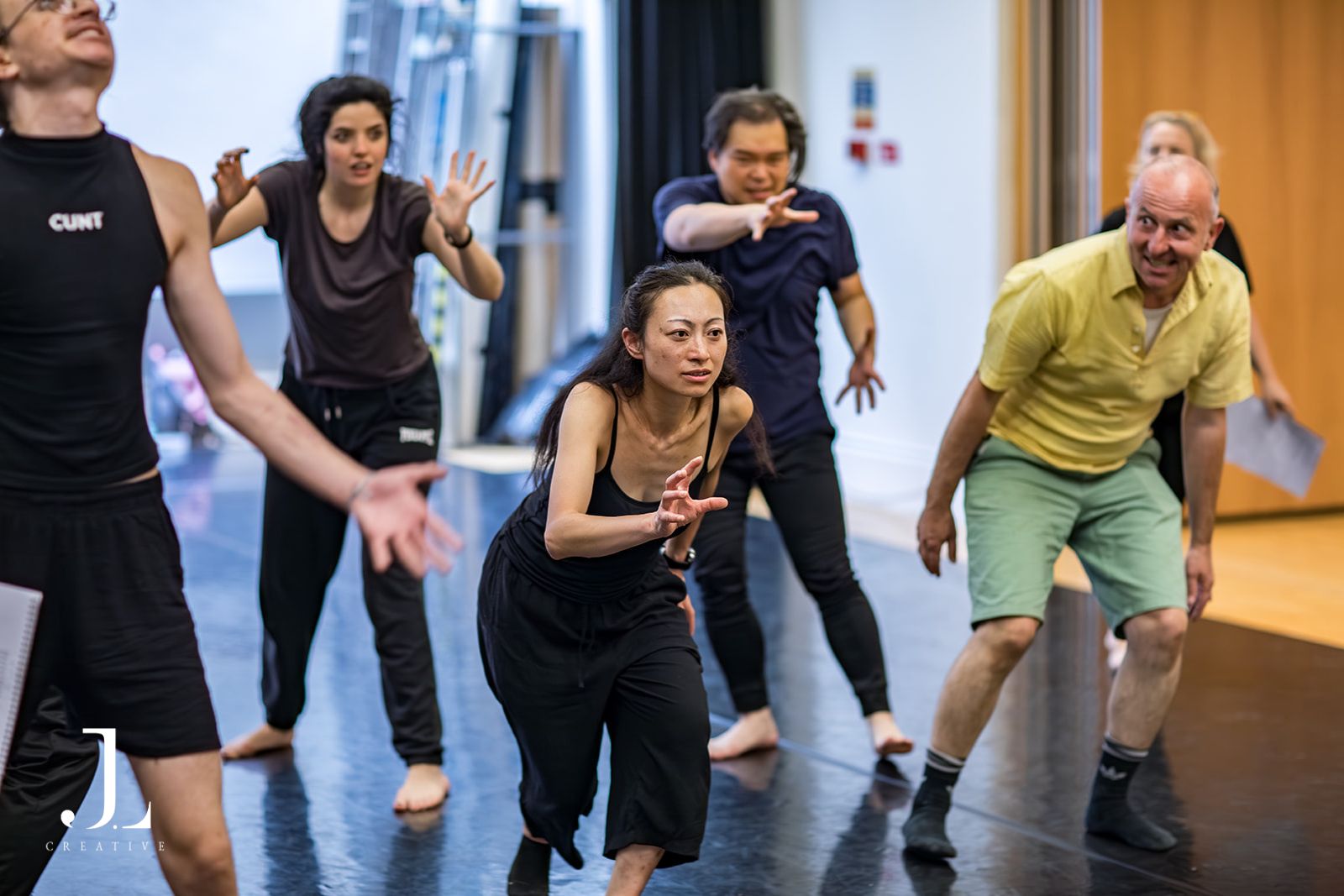
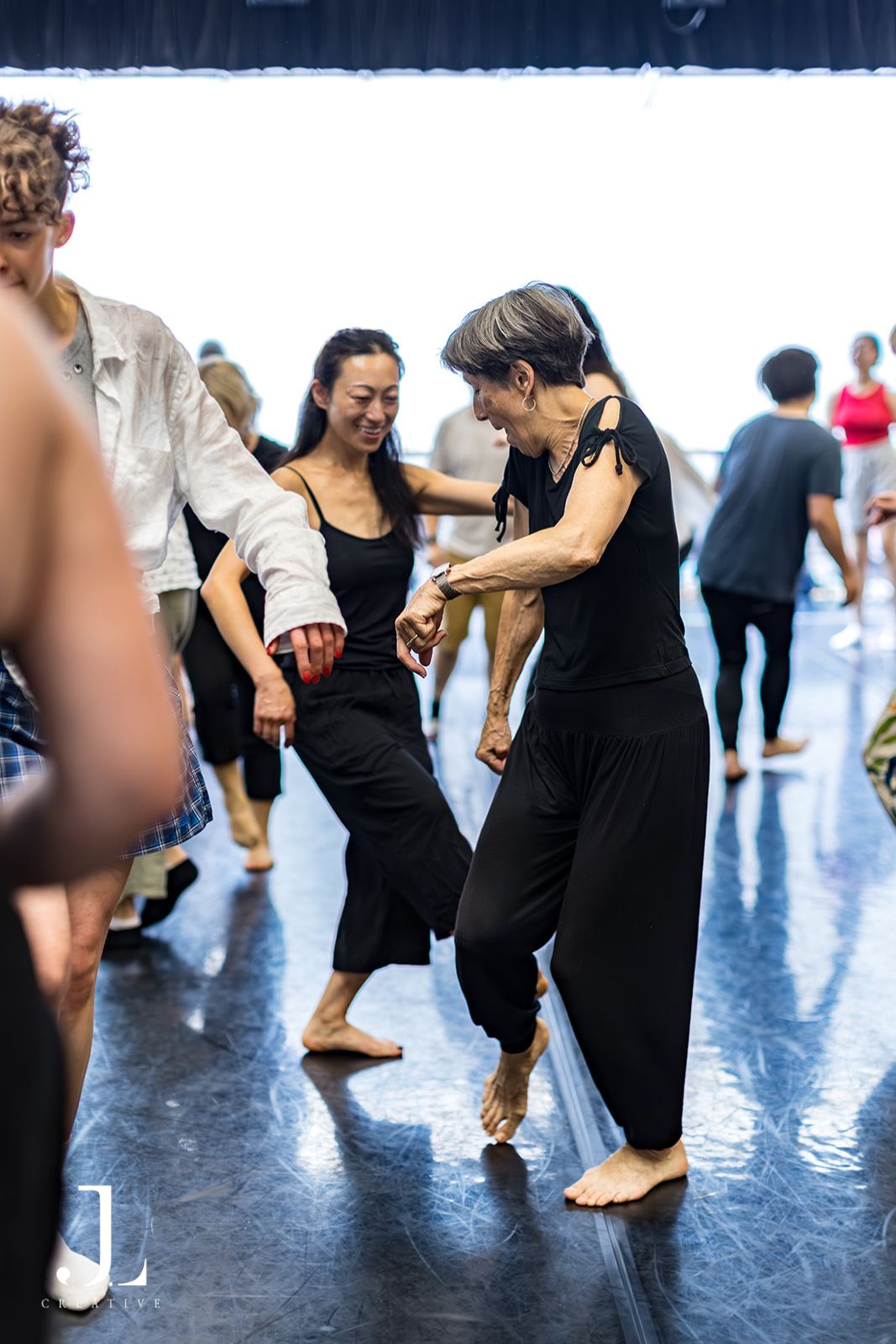
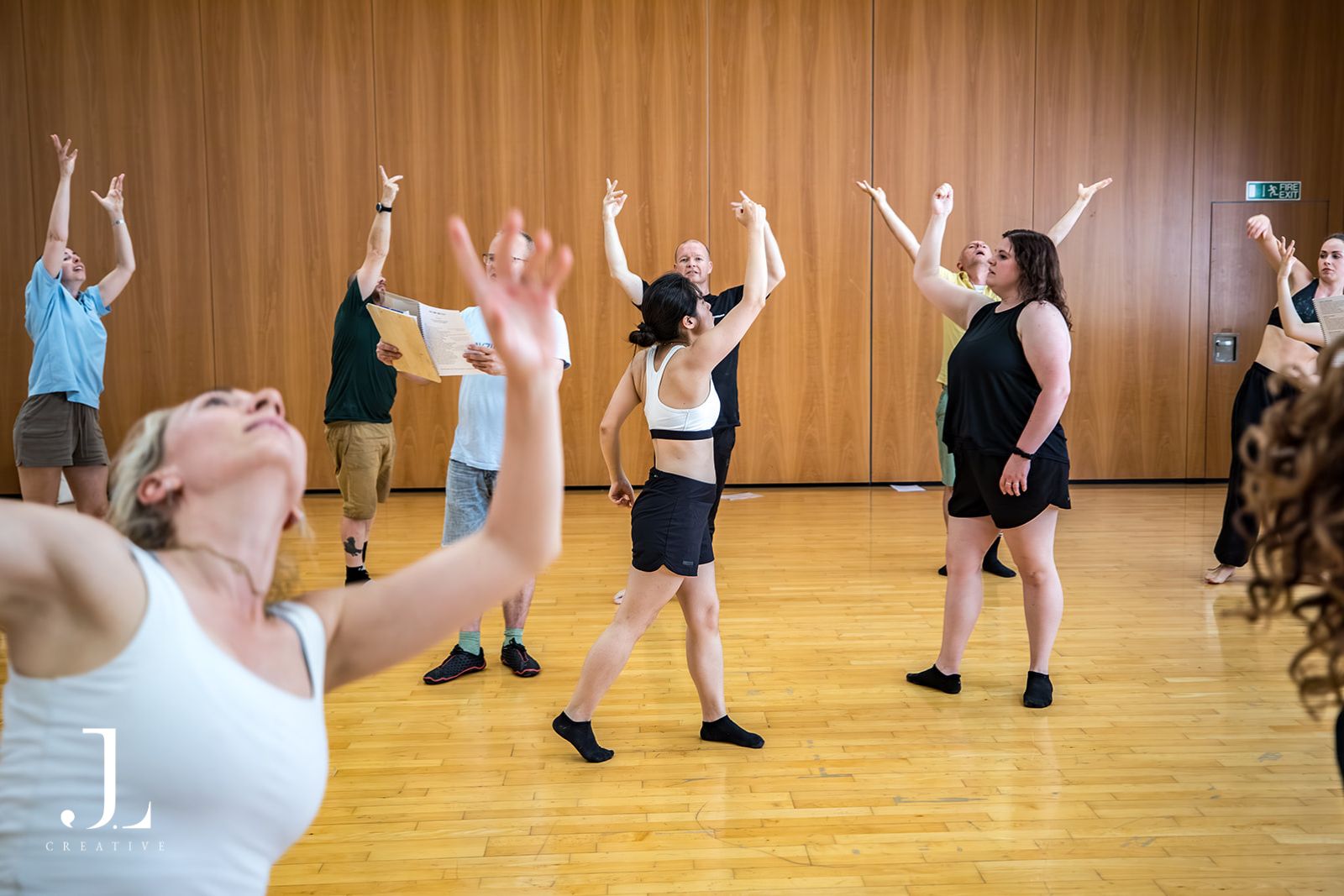
- dynamic movement sequences
- still, focused moments of concentration
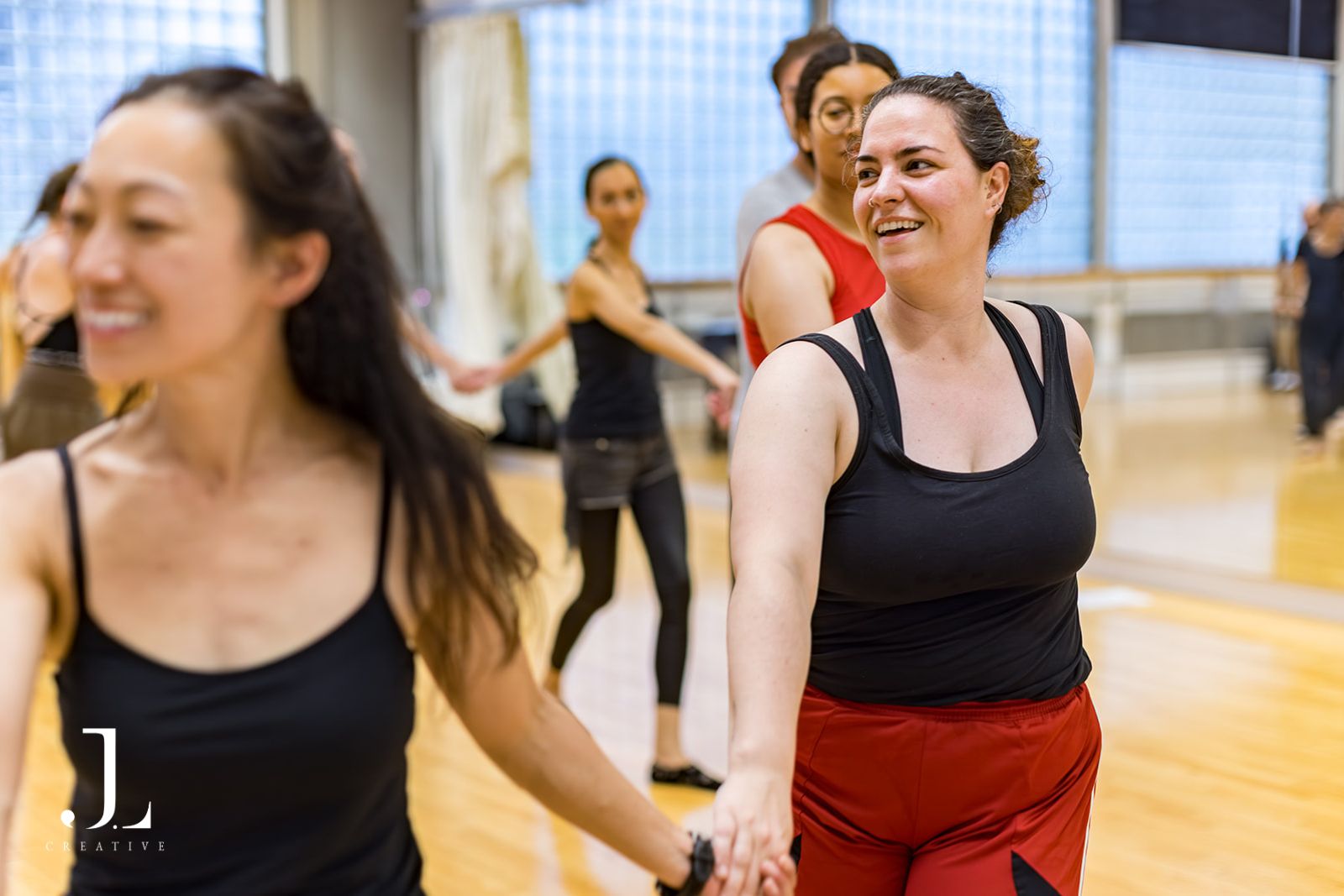
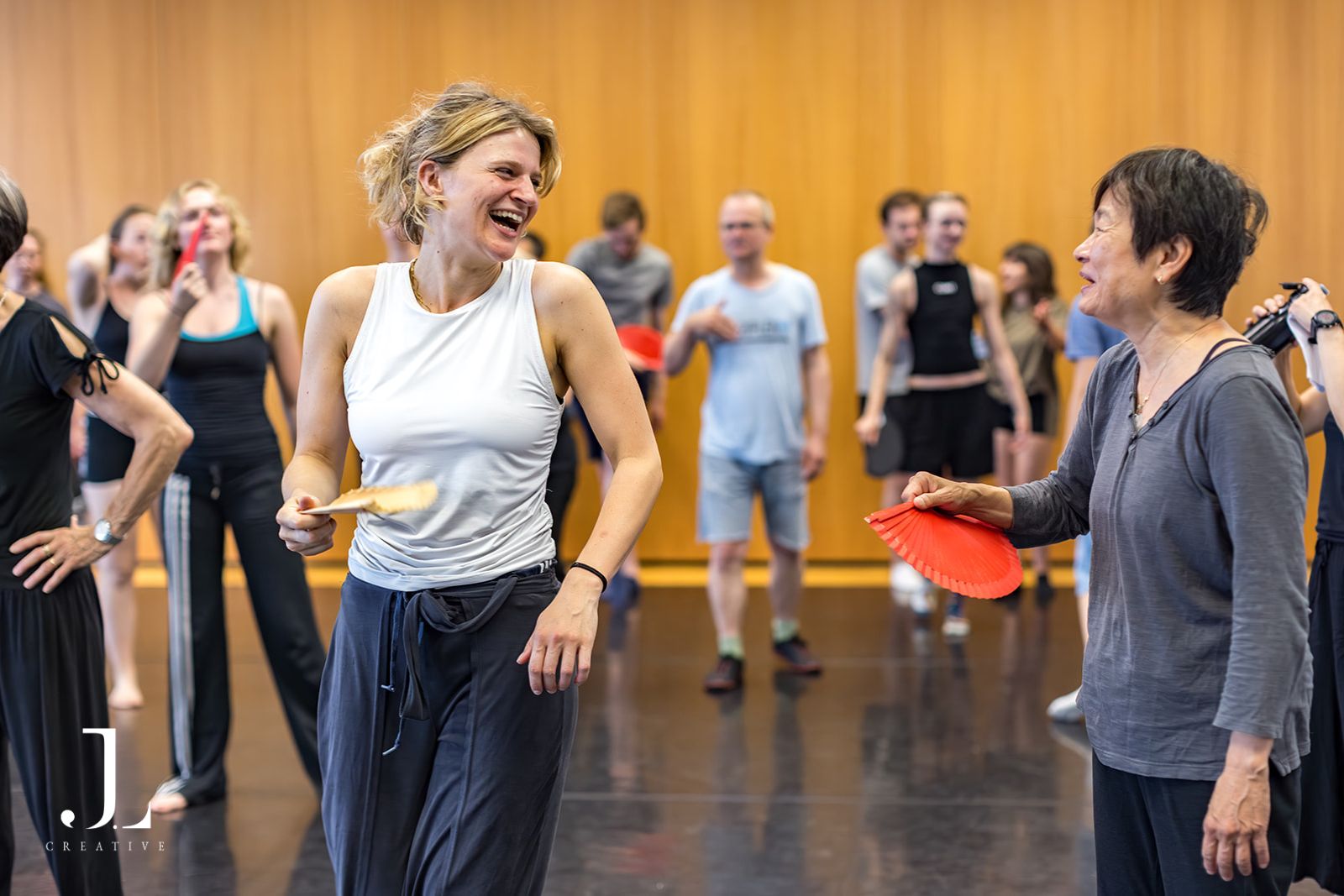
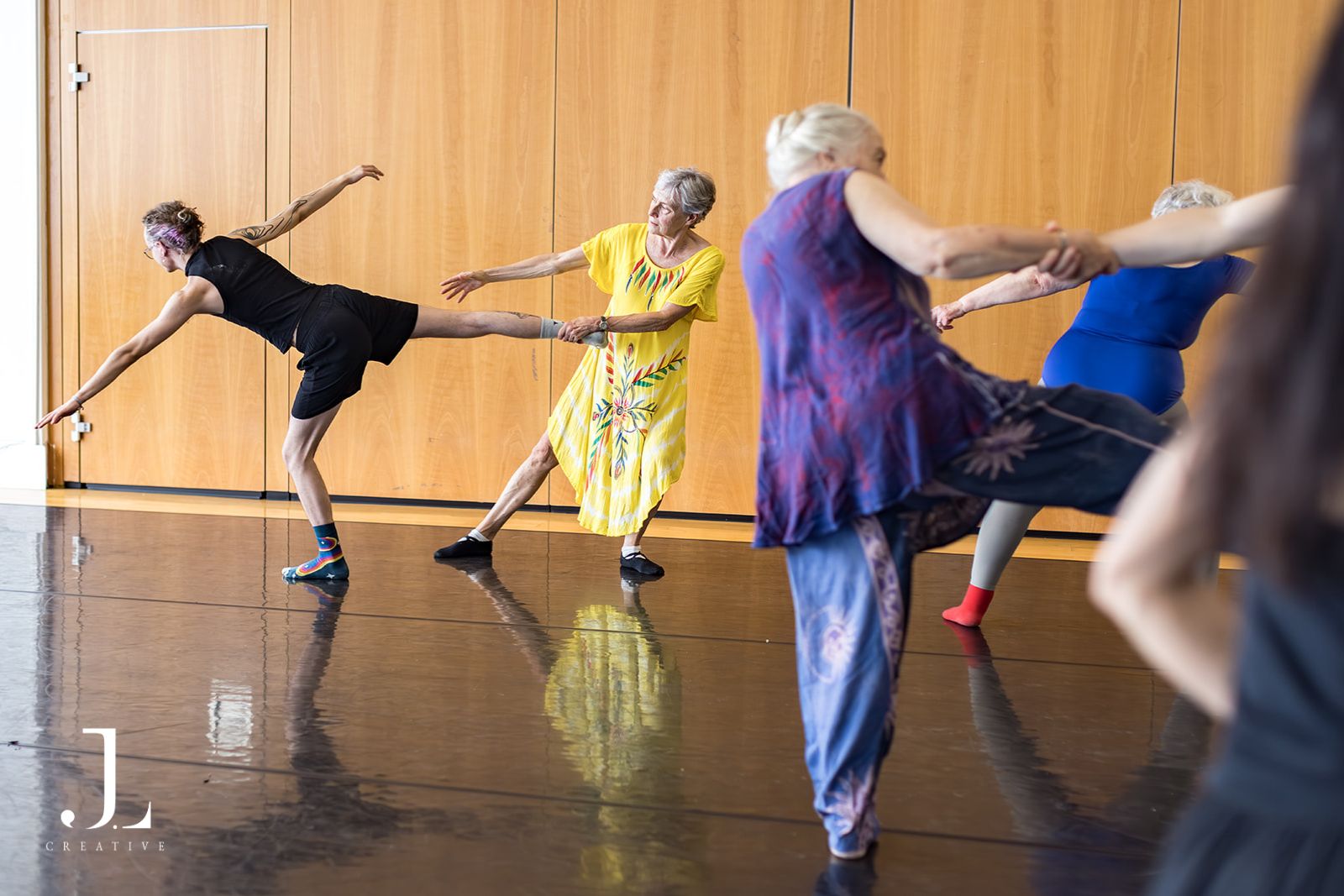
- interactions between participants
- collaborative group work
- individual expression

What Camera Gear Works Best for Dance and Drama Photography
Creative instinct drives the work, but there’s a solid technical foundation under every image. For this workshop I used two professional Canon bodies, the Canon R5 mirrorless and the Canon 5D Mark IV. Having both let me move freely around the space and adapt fast to quick movement and changing light.
To freeze motion while keeping its energy, I relied on:
- fast shutter speeds to catch movement at its most expressive point
- wide apertures for a shallow depth of field
- continuous shooting to capture sequences
I shot mostly on prime lenses (50mm, 35mm and 24mm), often at around f1.2. That gives crisp focus on the subject and a soft, clean separation from the background.
Switching focal lengths also helps tell the story. Wider lenses show the full room and group dynamics, mid-range lenses suit natural interaction, and tighter framing picks up detail and expression. The result is a balanced gallery that works for documentary storytelling and promotional use alike.
How Natural Light and Composition Shape the Images
Light matters enormously in performing arts photography. At The Place, daylight pouring into the studios was soft and flattering, and it supported the movement instead of competing with it.
I’m always watching how light falls across the body, how shadows shape a movement and how composition leads the eye. In a fast environment like this, that becomes instinct. I anticipate where a movement will land, position myself for a clean background and leave room in the frame. The images end up feeling dynamic and deliberate.
Why Video Belongs Alongside Performing Arts Photography
I also filmed throughout the day and put together a highlight showreel. Dance and theatre translate beautifully to video. A photograph captures a moment, while video holds flow, rhythm, progression and atmosphere.
Filming let me document movement sequences, group exercises, the mood in the room and the transitions between activities. For clients, that footage works well on social media, websites and in funding applications. At JL Creative, offering photography and video together means you can tell a fuller story of your work.
How to Capture the Story of a Workshop Day
For me, photography is always about storytelling, and this workshop had a clear arc. It began with early arrivals and first warm-ups, moved through the development of ideas, and ended with the final performances. Each stage told part of the story.
I focused on the participants’ journey, the way movement evolved, the connections forming between people and the atmosphere in the space. The finished collection doesn’t only show what happened. It shows how it felt to be there.
Why Professional Photography Matters for Performing Arts Organisations
Workshops like this hold a lot of value, and without photography most of it fades once the day ends. Professional images help organisations document their work, showcase their programmes, attract future participants, support funding bids and build a strong visual identity.
At JL Creative, I aim for photography that feels authentic and looks great.
Who I Work With in Theatre, Dance and Education
I regularly photograph for performing arts schools, drama academies, dance companies, theatre groups and creative organisations. Every project is different, but the aim stays the same: capture the essence of the work. Not just what it looks like, but what it feels like.
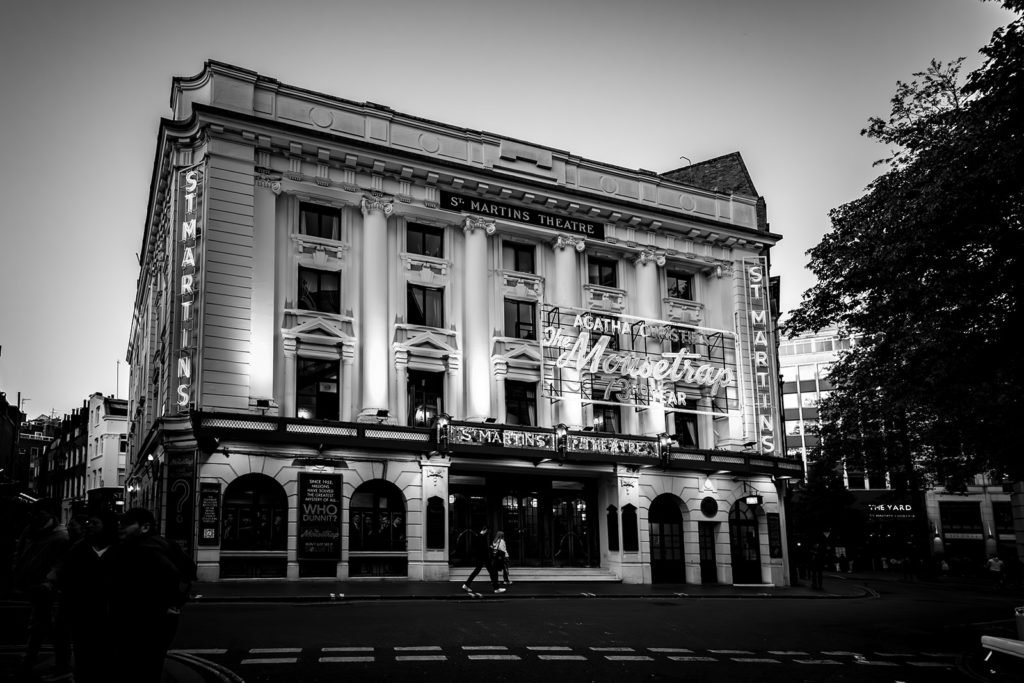
Some of that work happens on a bigger stage. If you’re curious how I approach a major production, take a look at my West End theatre photography in London, where I photographed The Mousetrap.

A Photographer’s Perspective
I found this workshop genuinely inspiring. Watching performers and creatives build ideas in real time, seeing the thought behind each movement and witnessing the collaboration was a privilege. Even from behind the camera, I felt part of it.
It was a reminder of how expressive and thoughtful movement can be.
Hire a Performing Arts Photographer in London
I’m based in London and photograph performing arts, theatre and creative projects across the city and beyond. From workshops and rehearsals to live performances and behind-the-scenes moments, I work in a natural, unobtrusive way that keeps the focus on movement and story.
If you’re running a workshop, rehearsal or performance and want photography that captures its energy, movement and story, do get in touch.
FAQs on Performing Arts Photography in London
What is performing arts photography?
It’s the photography of dance, theatre, drama and other live disciplines. The aim is to capture movement, expression and storytelling, and often the rehearsal and development work behind a finished show.
Do you photograph live theatre productions as well as workshops?
Yes. I cover workshops, rehearsals, live performances and behind-the-scenes moments, in London and further afield.
How much does performing arts photography cost?
It depends on the length of the session, the number of people involved, whether you’d like video as well, and how you plan to use the images. Get in touch with a few details about your event and I’ll put together a quote.
How far ahead should I book a performing arts photographer?
As early as you can, particularly for a fixed date like a performance or workshop. Rehearsal and workshop dates can often be arranged more flexibly, so it’s always worth asking.
What will I receive after the shoot?
You’ll receive a gallery of images from the day, and a highlight video if you’ve booked filming too. The images are suited to websites, social media, programmes and funding applications.
Do you travel outside London for performing arts shoots?
Yes. I’m London-based but photograph across the UK and beyond.

0 Comments